ISRAEL’S bombardment of Hamas officials in Doha is more than a military strike. It is a strategic earthquake.
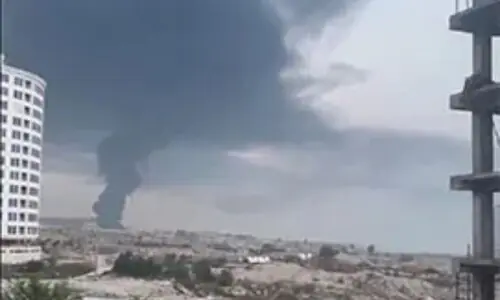
On Tuesday, Israeli jets struck a residential compound in Doha, targeting Hamas’s exiled leadership as they met to consider a US-backed Gaza ceasefire proposal. Based in Qatar since earlier assassinations forced them abroad, these men make up the group’s political bureau. The targeted leaders survived; others did not. Among the dead were bodyguards, aides and a Qatari officer.
A dangerous precedent has been set. For the first time, Israel has carried its campaign far beyond the battlefields of Gaza, Lebanon, Syria and Iran, into the territory of one of the US’s closest Arab partners.
For years, Israel has treated its confrontation with Iran and its allies as a roving conflict without frontiers. Hezbollah in Lebanon, the former Assad regime in Syria, Houthi forces in Yemen, even Iranian soil itself — all have felt the reach of Israeli air strikes, assassinations and sabotage. Such operations, though destabilising, were often framed as part of a shadow war between two regional rivals, and tolerated by outsiders so long as they were confined to that axis.
But Qatar is no Iranian proxy. It is a wealthy Gulf emirate, host to America’s largest military base in the Middle East, and a ‘major non-Nato ally’ formally recognised by Washington. By striking in Doha, Israel has crossed a line with profound implications for regional security. It marks the first attack inside a Gulf monarchy, a symbolic escalation that will alarm every Arab capital and force uncomfortable questions about whether any state’s sovereignty is truly respected. Qatar, like Turkey and Egypt, has acted as a mediator in ceasefire talks. To bomb its capital while negotiations are underway is to undermine diplomacy itself.
It could also entangle the US, a prospect that some might even deem necessary if America is to knock some sense into Israel. Washington was reportedly briefed in advance, but Britain and other allies were not. The perception that Israel acts with impunity, heedless of the sovereignty of a partner as close as Qatar, will fuel Arab suspicions that the West cannot or will not rein it in.
The OIC and Arab League should draw the obvious conclusion. For decades they have responded to Israeli aggression with words and resolutions. And it is precisely this pattern of hollow declarations that has emboldened Tel Aviv’s war machine. Unless there is collective resolve — economic boycotts, diplomatic isolation, suspension of normalisation — Israel will continue to export its Gaza war across borders. So long as the belligerent state acts unchecked, no country, however distant, is immune. Today’s blow in Doha may become tomorrow’s strike in Cairo, Riyadh or beyond.
Published in Dawn, September 11th, 2025