Major phase of Lahore Fort’s Khilwat Khana conservation ends


 0
0


LAHORE: An inauguration ceremony held at the Lahore Fort on Friday marked the completion of a major phase in the conservation of the Khilwat Khana subterranean chambers.
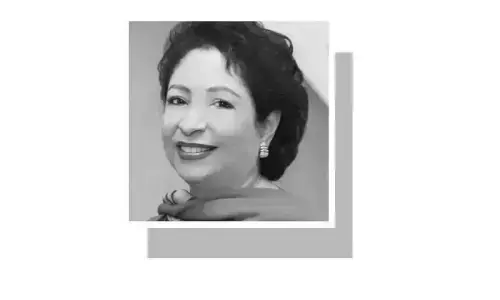
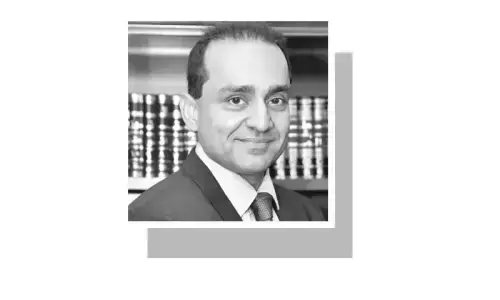
The event was attended by Nicolas Galey, Ambassador of France to Pakistan,Marc-Antoine Leclercq, Country Director, Agence Française de Développement (AFD-Pakistan), Ms Maleeha Rashid, Director General of the Walled City of Lahore Authority, Ahsan Paracha, an urban development expert, AFD, along with the senior leadership and project architects of Aga Khan Cultural Service – Pakistan (AKCS-P).
The restoration of the Khilwat Khana chambers reveals undocumented Mughal-era structures beneath the Lahore Fort. Located beneath the Shah Burj forecourt and the Khilwat Khana Quadrangle, the basements consist of more than 33 interlinked rooms, passages and staircases spread across four levels.
The initiative was led by AKCS-P in partnership with the Walled City of Lahore Authority (WCLA), supported by the Punjab government and funded by AFD-Pakistan.
The ribbon-cutting ceremony was held at the northeast entrance of the chambers, followed by the unveiling of a commemorative plaque.
Guests were then taken on a guided tour of the site, where they learned about its history, the conservation techniques employed in its restoration and new visitor-focused features, including a sound system with unique audio effects and an illumination designed to create a surreal atmosphere.
In the Arz Gah (conference room), a short documentary was screened showcasing the conservation-related skills development internship programme funded by the French Embassy, followed by remarks from key project stakeholders.
In his opening remarks, AKCS-P CEO Tausif Khawaja said, “Something that started less than two years ago has come to fruition today. This project will be completed to the highest standards of conservation, and it has been a great team effort.”
The conservation of the chambers includes essential interventions, such as improving ventilation, repairing the drainage system, and restoring surface finishes. These measures ensure visitors’ safety while offering a one-of-a-kind, rustic archaeological experience.
Restoration and rehabilitation work began in April 2023, with the final procedures expected to be completed by the end of the year.
WCLA Director General Ms Maleeha Rashid noted: “The conservation of the Khilwat Khana is a process of discovering and safeguarding our historical heritage, collective memory and cultural legacy. The restoration of the site not only revives the glorious past but also creates opportunities for learning, intellectual engagement, cultural awareness, and tourism promotion.”
Ambassador Galey commended the efforts of AKCS-P and WCLA in uncovering and restoring a remarkable historical site. He remarked: “Each time I visit the Fort, there is a new place to discover—testament to the skill and dedication of the teams working here. In France, I have observed that the restoration of historic monuments is an ongoing process requiring refinement and patience. In countries like Pakistan, with such a rich history, rediscoveries of the past are always remarkable. These conservation projects are not only the work of conservators and architects; they are monuments of the city and its people—they belong to them.”
Mr Marc-Antoine Leclercq stated: “The conservation of heritage sites plays an important role in generating positive economic cycles while promoting culture, tourism and history.”
By the end of the year, the Khilwat Khana basements will host the first immersive underground tour of the Lahore Fort, showcasing the site’s conservation achievements while enriching public understanding of its layered architectural and historical narrative.
Published in Dawn, September 27th, 2025