0
0
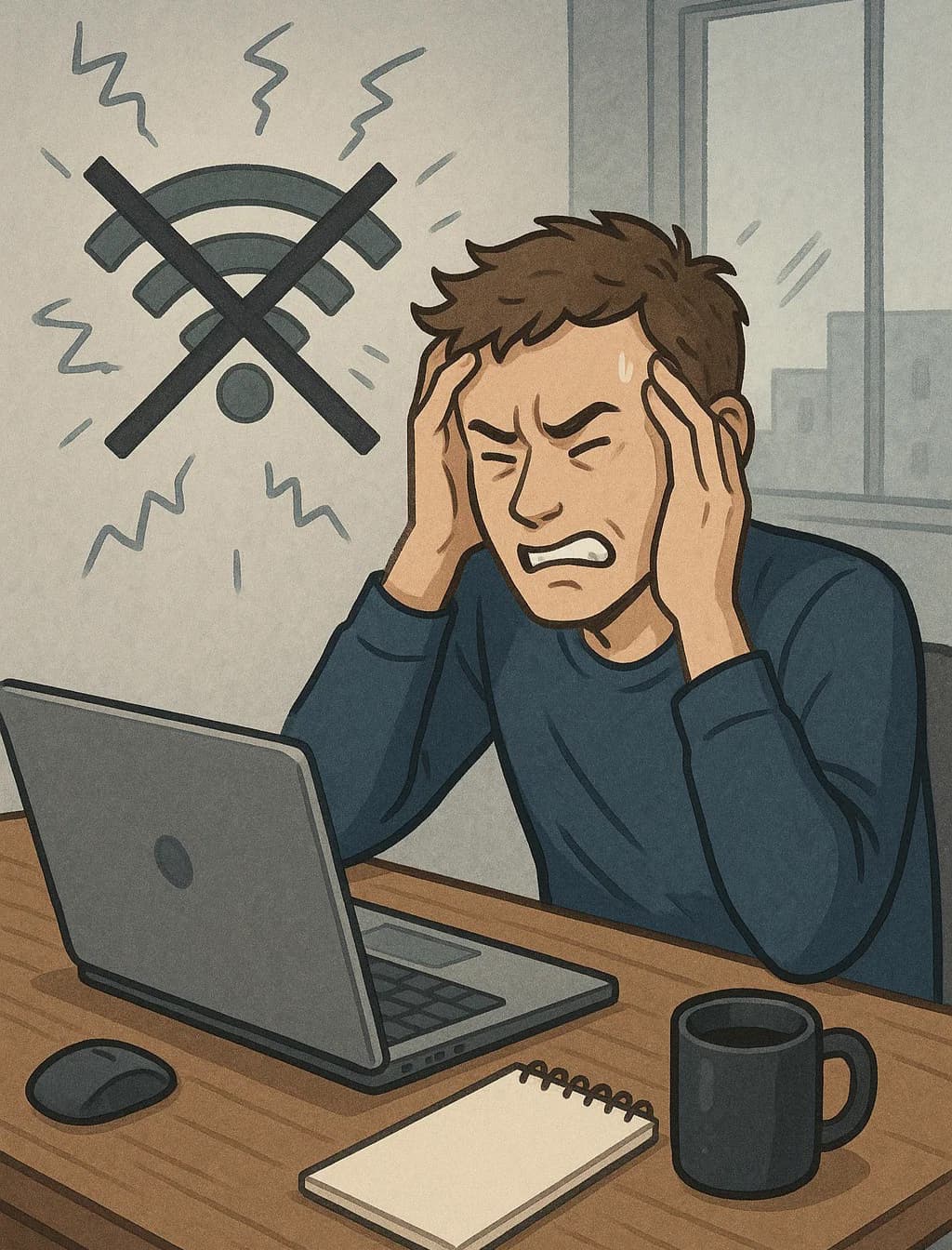
WHILE the world is moving ahead with the concept of distance work as a viable alternative for traditional office setting, things in Pakistan are not smooth in this regard owing to limited access to digital tools, lack of infrastructure, and insufficient skills. The bitter truth is that distance work is still a distant dream for most of the workforce.
While major urban centres enjoy much better connection and resources, millions of people in rural areas face troubles with internet, power shortages and limited access to equipment, making digital inclusion very uneven. The division is not only technical, but socioeconomic, and even gender-based.
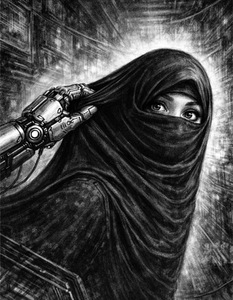
In houses with low incomes, equipment is often shared, and women in conservative areas have restrictions on using tech-nology. This uneven access to technology restricts women’s involvement in the external workforce, and increases the existing inequalities.
In addition, digital literacy is a major obstacle as Pakistan’s public education system is unable to equip students with the skills required for online work. Corporate institutions are also not fully on board in this regard. Many lack proper systems and guidelines to effectively manage external teams. The culture of workplace in Pakistan is still marked by physical presence for a variety of reasons, and not all of these reasons happen to be professional.
This makes it difficult for the bosses to accept distance work as a viable alternative to traditional setting. Also, there is an absence of any legal structure to protect the rights of distance workers.
Despite these challenges, however, some companies in major cities have successfully used hybrid models.
In order to make distance work a reality for everyone, the government should invest in infrastructure, expand digital literacy programmes and ensure inclusive guidelines.
Without addressing the digital division, there is a risk of rising inequality. A more inclusive and just approach is required that boosts digital landscape and ensures fair and equal opportunities for everyone.
Dr Adeeba Khan
Rawalakot
Published in Dawn, July 20th, 2025