Pentagon elevates investigation into Iran school strike


The US military said on Friday it has elevated the investigation into a devastating February 28 strike on an Iranian girls’ school after media reports revealed the probe shows US forces were likely responsible.
Iran has said the strike on the Shajareh Tayyebeh School killed 168 children. If US fault is confirmed, it would rank among the worst incidents of civilian deaths in decades of US military strikes in the Middle East.
Citing the seriousness of the matter, US Secretary of War Pete Hegseth declined to comment on the preliminary finding of the investigation, saying: “We’re not going to let reporting lead us or force our hand into indicating what happened.”
He said a higher-level investigation would be led by an unnamed US general officer from outside of US Central Command, which is overseeing operations against Iran. Such a move is typically taken by the US military to ensure greater independence for investigators.
“The command investigation will take as long as necessary to address all the matters surrounding this incident,” Hegseth told a press conference at the Pentagon.
Iran’s new supreme leader blamed the country’s “enemies” for the school strike in his first message to the country on Thursday.
Probe can be used for disciplinary action
Three US officials told Reuters the command investigation Hegseth referred to is an administrative probe known as a 15-6, which can become the basis for disciplinary action if warranted. It usually includes sworn statements or interviews with those involved. The officials spoke on condition of anonymity to describe internal military processes.
The head of US Central Command, Admiral Brad Cooper, ordered the 15-6 probe last week after the initial review was completed. The outside officer was appointed on Thursday, one official said.
The development underscores the serious concern about how to respond to possible US responsibility for the tragedy and the need to comprehensively examine the incident.
“It signals a recognition that something went wrong and to try to understand what happened and why,” said Annie Shiel, US advocacy director with the Centre for Civilians in Conflict.
Trump initially blamed Iran
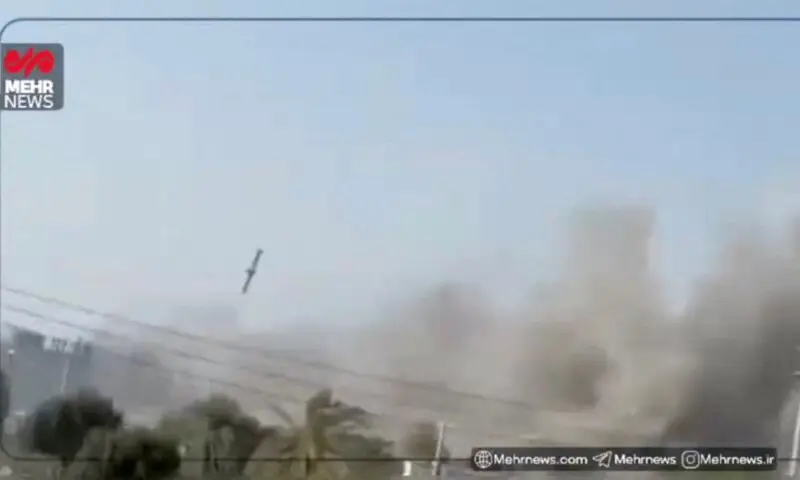
Preliminary findings suggest US forces may have relied upon outdated targeting data that apparently did not distinguish between the school and the adjoining Iranian military base in Minab, a town in southern Iran. Video and other evidence suggest the school was hit by a Tomahawk cruise missile, a powerful, precision-guided munition that few nations other than the US possess.
The investigation comes despite public comments by President Donald Trump initially doubting the possibility of US involvement that stoked concern among some defence officials about whether he would be willing to accept blame.
The president initially claimed, without offering evidence, that Iran may have attacked the school and suggested Tehran may have Tomahawk missiles, which military experts call extremely unlikely.
Still, Trump on Monday said publicly he would “certainly” accept the results of the US investigation: “Whatever the report shows, I’m willing to live with that report.”
A second US official pointed to those remarks as evidence that Trump was moving toward accepting the preliminary investigation results. Further, the official said public discussion of the investigation had made it politically difficult for Trump to reject the findings once they are finalised.
The official noted that a 15-6 investigation reflected the seriousness of the Trump administration’s approach to the investigation because it would comprehensively examine what went wrong and how to correct those issues.