0
0
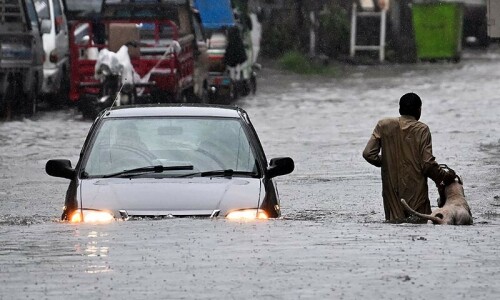
MOTHER Nature is once more in an unforgiving mood. A heavy monsoon spell on Thursday claimed over 60 lives and left almost 300 citizens injured in just 24 hours — mostly in Punjab’s northern districts — prompting the authorities to put emergency services on high alert.
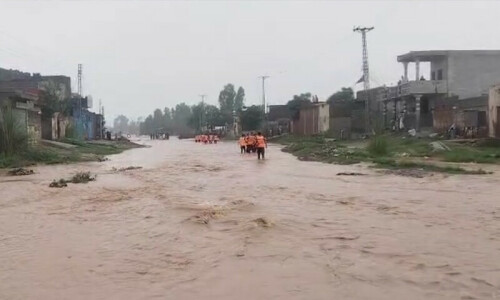
Rawalpindi was among the worst-hit districts where torrential rains triggered a flash flood in Leh Nullah, inundating the city and its suburbs. In Chakwal, the overflowing River Soan — into which Leh Nullah flows — breached a dam, flooding entire villages in the district and parts of Jhelum. The army had to be deployed to rescue hundreds of people stranded on rooftops or elevated areas. While less affected districts like Lahore experienced another round of urban flooding, they were spared a major disaster, despite showers throughout the day.
According to the disaster management authorities, the intensity of the monsoons this year is 60pc to 70pc higher than it was last year. The authorities are now warning of at least four more heavy monsoon spells — similar in strength to Thursday’s — before the end of August. These warnings have brought back disturbing memories of the devastating floods of 2022. Yet no province, much to the chagrin of vulnerable communities in the country, has prepared itself to tackle such a situation.
While climate change has undeniably made this year’s monsoon more intense, especially in Punjab, it would be disingenuous — if not outright irresponsible — to use that as an excuse for administrative failures year after year. As in past years, the ongoing showers have again exposed the authorities’ lack of preparedness and their failure to implement the steps needed to mitigate the crisis despite early warnings of excessive rains from the disaster management agencies ahead of the rainy season. Those only blaming climate change are, in effect, attempting to absolve themselves of accountability for bad urban planning and poor governance.
The billions spent by the provincial government on publicity campaigns to boost its political image could have, instead, been used to strengthen Punjab’s defences against flooding in the cities and improve disaster management and emergency response systems. Politicians often speak of the need for climate adaptation and resilience to tackle extreme weather events. Yet, most places remain underfunded and neglected.
The devastation in northern Punjab highlights the urgent need for a fully funded, comprehensive climate adaptation strategy to address both structural vulnerabilities and institutional inefficiencies. Thursday’s events must be seen not as an isolated disaster, but as a warning of what lies ahead. Unless we act now, we will find ourselves trapped in the same conversation, mourning greater loss of life and bearing new economic burdens. The cost of continued inaction always exceeds the price of prevention.
Published in Dawn, July 19th, 2025