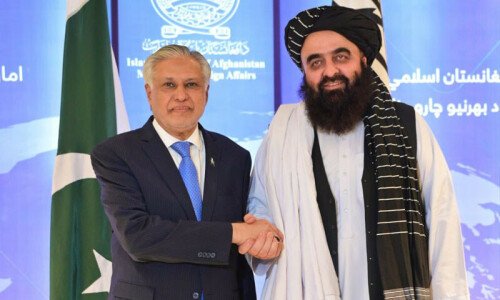
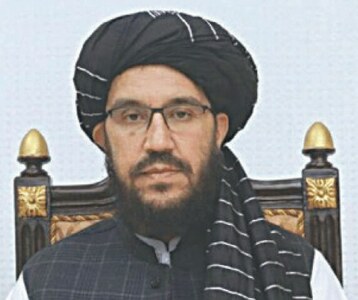
THERE is reason for cautious optimism as Pakistan and Afghanistan improve diplomatic ties, with some help from China. It had been announced on Friday that Pakistan’s charge d’affaires in Kabul was being upgraded to ambassadorial status; a day later, the Afghan Taliban’s envoy in Islamabad, too, was given the status of ambassador.
While these moves do not translate to recognition of the Afghan Taliban government, they are steps towards international acceptance of the Kabul regime, while also marking a significant improvement in Pak-Afghan ties.
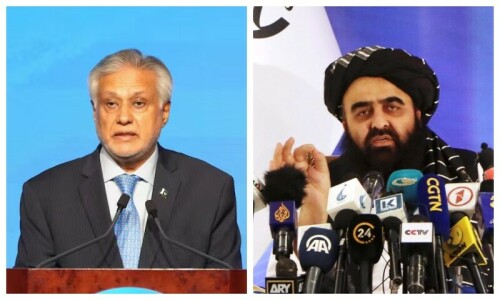
The diplomatic activity was complemented on Sunday with a phone call between Foreign Minister Ishaq Dar and his Afghan counterpart. Both vowed to deepen bilateral cooperation in various fields.
From exchanging fire only a few months ago over border disputes, the two sides have shown maturity in improving diplomatic relations and pledging to further cement ties.
The sudden improvement in relations appears to be largely the work of Chinese diplomacy. The foreign ministers of the three states had met in Beijing last month as part of a trilateral dialogue.
At this forum, the Chinese foreign minister had said that Pakistan and Afghanistan had “expressed … willingness to elevate diplomatic relations and … exchange ambassadors as soon as possible”. The hopes raised in the Chinese capital have been realised with the appointment of ambassadors in Kabul and Islamabad.
China was the first country to accept the credentials of the Afghan Taliban representative in Beijing in January 2024, though this step did not amount to a full recognition of the regime. Along with China, the UAE and Uzbekistan, Pakistan is the fourth state to have an ambassador in Kabul, while Russia has accepted the nomination of Afghanistan’s envoy in Moscow.
For China, maintaining ties with the Afghan Taliban is important for economic and security reasons. Beijing has multimillion-dollar investments in Afghanistan and is also keen to cooperate in the security field to keep anti-China militants at bay.
The Kabul regime, which remains largely isolated, knows that the road to international recognition runs through Beijing, while it is also keen to court Chinese investment.
These developments favour Pakistan, as it can cooperate on many fronts with Kabul, chiefly in the realms of security and commerce.
Perhaps working under the trilateral format with China can better address Pakistan’s security concerns with Kabul — especially in view of the presence of anti-Pakistan terrorist groups on Afghan soil — and amplify the message this country has been conveying bilaterally.
Pakistan, along with China and other regional states, should emphasise to Kabul that regional integration and commerce can only take off when Afghan soil has been cleansed of militant groups. Hopefully, upgraded diplomatic ties with Kabul will remove the irritants that stand in the way of greater cooperation.
Published in Dawn, June 3rd, 2025