THE Indus River System Authority has warned Punjab and Sindh, the main breadbaskets of the country, to brace themselves for up to 35pc water shortages for the remaining period of the current Rabi crops, including the staple wheat harvest.
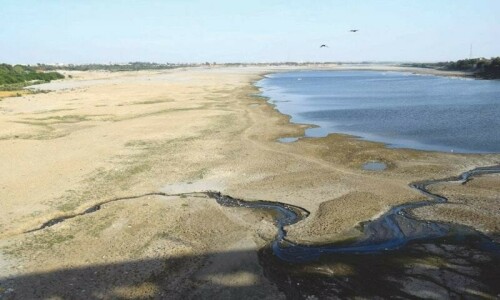
The warning comes amid reports that the country’s two largest dams, Tarbela and Mangla, are mere days away from hitting dead level. There is a likelihood that Punjab and Sindh might face a 30-35pc shortfall while operating the two reservoirs on the run-of-the-river mode at or around dead levels, the water regulator has told the provinces. This is in line with Irsa’s forecast on Oct 2 that dam storage would reach dead level towards the end of the winter crop cycle.
Though alarming, the warning is hardly a surprise since growing water shortages for the summer and winter crop seasons have become the ‘new normal’ in the last several years due to the increasing number of dry days in a year as well as the shrinking glaciers resulting from climate change. Reduced precipitation is evident from the 40pc below-normal winter rains and snowfall between September and mid-January this year, which have created drought-like conditions across the country.
Dry conditions still persist in many areas in spite of the February rains that have largely offset drought-related risks to the new wheat harvest. Dry weather on most days has meant that the winter months were reported by the Met Office to be hotter than usual.
The increasing frequency and intensity of extreme weather events such as floods, droughts, heatwaves, and abnormal rains, show that we are already experiencing post-climate change conditions. Ranking as we do among the top 10 countries most vulnerable to the effects of climate change, we must urgently prepare ourselves for the costly and disastrous impacts of such events on our lives, livelihoods, food security and economy.
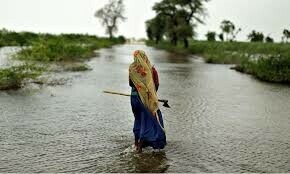
The need to meet the climate challenge is even greater when a country like Pakistan is prone to multiple disastrous events at the same time. For example, in 2022, we were first hit by a heatwave and drought and then flash floods that displaced 33m people, followed by landslides that destroyed infrastructure in KP and other northern regions. Tens of thousands of those affected are yet to be resettled and re-employed.
Sadly, our policymakers are not investing enough in helping the people and economy withstand the effects of climate change, though the danger is very visible. Climate disasters can severely stretch a country’s resources. They can ruin countries unprepared for them. This year we may have averted any significant damage to our staple food despite water shortages and drought. But who can guarantee that we will be as lucky next year?
Published in Dawn, March 10th, 2025