About 7 out of 10 Pakistanis facing health issues due to smog: survey

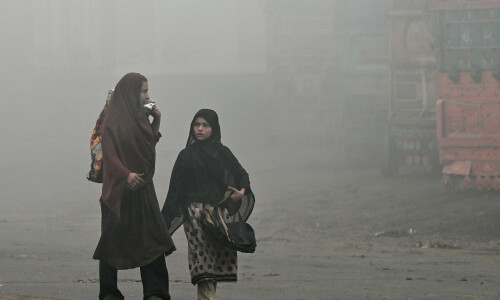
About seven in 10 people in the country are facing health issues because of smog with the most common symptoms being cough, flu and breathing difficulties, according to a report by international insights firm Ipsos.
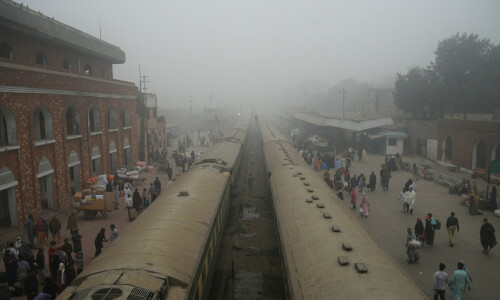
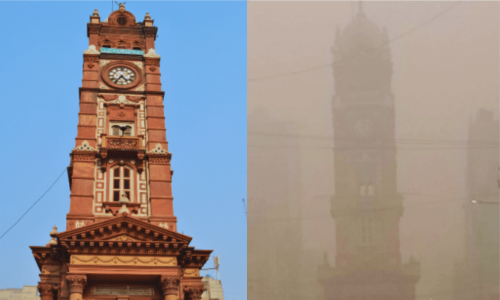
The recent smog situation was declared a “calamity” in Punjab last month. According to the international Air Quality Index Scale, an index value of 300 or higher results is “hazardous” to health and Pakistan has regularly tipped over 1,000 on the scale.
Around two million people visited medical facilities across Punjab with breathing problems and other respiratory diseases in a month as record-breaking smog choked the province.
The Ipsos survey, titled “Smog in Pakistan: Awareness, Perceptions and Practices” and dated November 26, was conducted from Nov 18 to 22 using computer-assisted telephone interviews with a sample of 1,000 people from all four provinces and Islamabad.

In its first section on people’s awareness and experience with smog, data showed that eight in 10 people, around 79 per cent of the sample size, experienced smog over the last month, with 100pc of the sample in Lahore experiencing it.
It also revealed that 68pc people reported having smog-related health issues with 71pc in urban areas and 67pc in rural.

The survey also highlighted the effect of smog on daily life, stating, “Over one-third Pakistanis found their daily household activities, work life, and social events being affected by smog.”
It further said that Punjab was the worst hit among all provinces, adding that Lahore and Rawalpindi were most affected.


According to the second section on people’s beliefs and perceptions, when asked about the primary cause of smog, 70pc of respondents said vehicular emissions, 63pc said industrial smoke and 37pc said waste burning. About 31pc chose brick kilns and 30pc crop burning, followed by one in five who believed it was the “wrath of God”.
The data showed that 44pc of the people saw a lack of public cooperation and 37pc believed enforcement of law as the barriers in combating smog and air pollution.


In the last section on actions and behaviours, the data showed that eight out of 10 people agreed that they needed to play their part in combatting smog. It also said that men, elderly and highly educated Pakistanis were more willing to cooperate, indicating that those who were more informed were likely to take responsibility.

When asked to choose personal actions to reduce smog, 48pc said they were ready to switch to walking, 31pc chose public transport, 29pc chose bicycles and 10pc opted for new/hybrid electric vehicles.
The report stated that out of 796 people who owned vehicles, “nine in 10 Pakistanis are ready to cooperate if they were asked to repair their vehicles and get certification from the government — a clear sign for the government to play its part in this regard.”


According to the survey, three in five people were satisfied with their provincial government’s approaches to battling smog. However, it found that satisfaction decreased as the education level increased, which raised concerns about the relevance, priority and effectiveness of the government’s strategies in addressing smog.