0
0
Iran carried out its first known execution on Thursday over protests sparked by Mahsa Amini’s death, hanging a man convicted of blocking a street and wounding a paramilitary member.
Demonstrations have swept Iran for nearly three months over the death-in-custody of Amini — a 22-year-old Iranian of Kurdish origin — after her arrest by the morality police in Tehran for an alleged breach of the country’s hijab dress code for women.
“Mohsen Shekari, a rioter who blocked Sattar Khan Street in Tehran on September 25 and wounded one of the security guards with a machete, was executed this morning,” the judiciary’s Mizan Online website said.
The revolutionary court in Tehran heard Shekari had been arrested after striking the member of the Basij paramilitary force in the shoulder with the blade, an injury that required 13 stitches, Mizan Online said.
The judiciary said Shekari was found guilty of fighting and drawing a weapon “with the intention of killing, causing terror and disturbing the order and security of society”.
It convicted him of “moharebeh” — or waging “war against God” under Iran’s law — on Nov 1, said Mizan, adding that he appealed the ruling but the supreme court upheld it on Nov 20.
Iran’s crackdown on protests
Women, university students and schoolgirls have led the demonstrations, removing and burning their headscarves in the streets, chanting anti-government slogans and confronting the security forces.
Iran, which has struggled to contain the protests, describes them as “riots” fomented by its arch-foe the United States and its allies, including Britain and Israel.
Oslo-based group Iran Human Rights said the security forces have responded with a crackdown that has killed at least 458 people, including 63 children, in an updated toll issued on Wednesday.
The crackdown, which has drawn widespread international criticism, has also seen thousands of people arrested — including academics, journalists and lawyers.
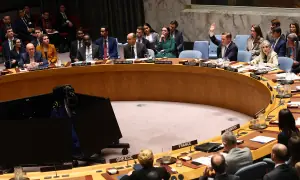
The United Nations Human Rights Council on Nov 24 voted to create a high-level investigation into the crackdown — a move that Iran rejected and said violates its national sovereignty.
The Basij is a state-sanctioned volunteer force that is linked to Iran’s powerful Islamic Revolutionary Guard Corps.
An Iranian court on Tuesday sentenced five people to death by hanging for killing a Basij member.
The judgement brought the number of people sentenced to death in connection with the protests to 11, in what London-based rights group Amnesty International has branded “sham trials”.