PAKISTAN is seeking deferment of its bilateral debt of nearly $10bn for a few years, which, if approved by the wealthy Paris Club creditors, will save it $1.1bn in loan repayments this fiscal year. That will ease pressure on the nation’s dwindling foreign exchange reserves, that have already dropped to $8.3bn, and generate some space for the government to rehabilitate and reconstruct after the floods.
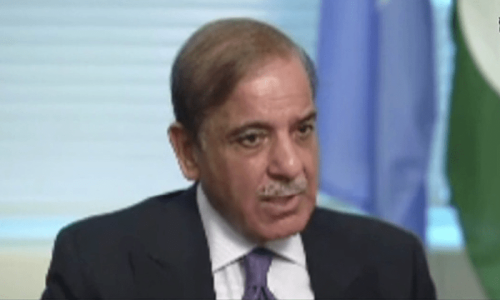
An announcement to this effect was made by Finance Minister Miftah Ismail a day after the prime minister said in an interview that all hell would break loose if the rich countries did not immediately provide Pakistan debt relief to help it get back on its feet. However, in order to calm jittery investors, the minister also sought to assure Pakistan’s creditors that “we are neither seeking, nor do we need, any relief from commercial banks”. \
Prime Minister Shehbaz Sharif has already requested the IMF to release the remaining amount of around $3bn from its bailout programme in November.
Separately, a draft UN policy paper advises creditors to “consider debt relief so that policymakers can prioritise financing its disaster response over loan repayment”; it suggests debt restructuring or swaps, where creditors would let go of repayments in exchange for the country agreeing to invest in infrastructure resilient to climate change.
Editorial: Debt swap proposalemphasized text
For long, Pakistan has faced severe external financing challenges. Even before the current floods, it was struggling to tackle its growing balance-of-payments troubles, as official and private capital inflows slumped, the import bill soared to unsustainable levels amid high global energy and food prices, and exports declined because of recessionary pressures in the advanced economies. Reserves continue to erode.
Pakistan’s dollar funding needs for the next five years, projected by the IMF at $181bn for the next five years, have never been so large and the world’s appetite to hold its hands never so poor. The calamitous floods could not have come at a worse time. With its public sector foreign debt standing at $97bn at the end of the last fiscal, Islamabad is scheduled to pay $75.4bn, including $9.4bn in interest payments, in the next five years.
True, much of this debt will get rolled over, but the country will still need a significant amount of dollars to meet its debt obligations.
The experience of recent months shows that bilateral and multilateral creditors are reluctant to advance fresh loans due mainly to our constant craving for their money and failure to put our house in order. But the world must help Pakistan in its tough times.
It is true that had Pakistan taken steps to strengthen its economy over the years, matters might not have been as precarious as they are today. And yet, at this time, Pakistan’s debt should be deferred, swapped and forgiven. Helping Pakistan get back on its feet won’t be possible without outside help.
Published in Dawn, September 26th, 2022