India's Covid-19 tally nears 20 million as cases continue to surge


 1
1


India on Monday reported more than 300,000 new coronavirus cases for a 12th straight day, taking its overall caseload to just shy of 20 million, while deaths from Covid-19 rose by 3,417.
With 368,147 new cases over the past 24 hours, India's total infections stand at 19.93 million, while total fatalities are 218,959, according to health ministry data.
Medical experts say real numbers across the country of 1.35 billion may be five to 10 times higher than the official tally.
Explainer: Why India’s pandemic data is vastly undercounted
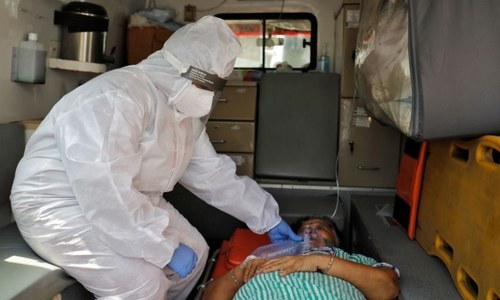
Hospitals have filled to capacity, medical oxygen supplies have run short and morgues and crematoriums have been swamped as the country deals with the surge in cases.
At least 11 states and union territories have imposed some form of restrictions to try and stem infections, but Prime Minister Narendra Modi's government is reluctant to impose a national lockdown, concerned about the economic impact.
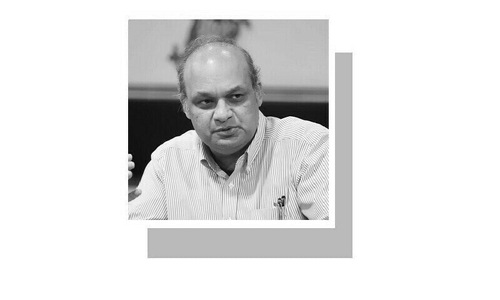
“In my opinion, only a national stay-at-home order and declaring a medical emergency will help to address the current healthcare needs,” Bhramar Mukherjee, an epidemiologist with the University of Michigan said on Twitter.
“The number of active cases is accumulating, not just the daily new cases. Even the reported numbers state there are around 3.5m active cases.”
The spike in infections is India's biggest crisis since Modi took office in 2014. Modi has been criticised for not taking steps earlier to curb the spread and for letting millions of largely unmasked people attend religious festivals and crowded political rallies in five states during March and April.
A forum of scientific advisers set up by the government warned Indian officials in early March of a new and more contagious variant of the coronavirus taking hold in the country, five scientists who are part of the forum told Reuters.
Despite the warning, four of the scientists said the federal government did not seek to impose major restrictions to stop the spread of the virus.
It remains to be seen how his handling of the crisis might affect Modi or his party politically.
The next general election is due in 2024. Modi's party was defeated in India's West Bengal state in results declared on Sunday, although it won in the neighbouring state of Assam.
Leaders of 13 opposition parties on Sunday signed a letter urging Modi to immediately launch free national vaccination and to prioritise oxygen supply to hospitals and health centres.
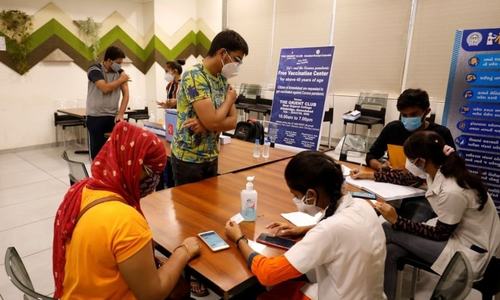
Several states have postponed widening a vaccination drive for adults that was to start on Saturday due to a lack of vaccines.
The national health ministry says states have 10 million vaccines stockpiled and 2 million more coming in the next three days.
Despite being the world's biggest producer of vaccines, India does not have enough for itself — undermining a plan to ramp up and widen inoculation from Saturday. Only about nine per cent of its 1.4 billion people have had a dose.
India has struggled to increase capacity beyond 80 million doses a month due to lack of raw materials and a fire at the Serum Institute, which makes the AstraZeneca vaccine.
International aid has been pouring into India.
Britain will send another 1,000 ventilators to India, the government said on Sunday. Prime ministers Boris Johnson and Modi are scheduled to talk on Tuesday.
The Indian Covid-19 variant has now reached at least 17 countries including Britain, Switzerland and Iran, leading several governments to close their borders to people travelling from India.