Russia ignores Western calls to free Ukrainian ships


 4
4

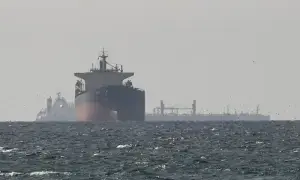
MOSCOW: Russia on Monday ignored Western calls to release three Ukrainian naval ships and their crews it fired on and captured near Crimea at the weekend and accused Kiev of plotting with its Western allies to provoke a conflict.
Ukraine in turn accused Russia of military aggression and put its armed forces on full combat alert, saying it reserved the right to defend itself. Ukrainian lawmakers were due to decide later on Monday whether to approve President Petro Poroshenko’s call to impose martial law in Ukraine for two months.
With relations still raw after Russia’s 2014 annexation of Crimea from Ukraine and its backing for a pro-Moscow insurgency in eastern Ukraine, the crisis risks pushing the two countries towards a wider conflict and there were early signs it was reigniting Western calls for more sanctions on Moscow.
Russia’s rouble currency weakened 1.4 per cent against the dollar in Moscow on Monday, its biggest one-day fall since Nov 9, while Russian dollar-bonds fell.
Markets are highly sensitive to anything that could trigger new Western sanctions, and therefore weaken the Russian economy. A fall in the price of oil — Russia’s biggest source of revenue — has made its economy more vulnerable.
Nato called an emergency meeting with Ukraine on Monday after the alliance’s head Jens Stoltenberg held a phone call with Poroshenko. He offered Nato’s “full support for Ukraine’s territorial integrity and sovereignty.” Ukraine is not a member of the US-led alliance.
The European Union, Britain, France, Poland, Denmark, and Canada all condemned what they called Russian aggression.
The stand-off in the Azov Sea is more combustible now than at any time in the past four years as Ukraine has rebuilt its armed forces, previously in disarray, and has a new generation of commanders who are confident and have a point to prove.
Kiev is also strengthened by the knowledge that most Western governments, especially Washington, lean towards Ukraine and are liable to view Russias version of events with some scepticism. The Russian foreign ministry blamed Kiev for the crisis.
“It’s obvious that this painstakingly thought-through and planned provocation was aimed at igniting another source of tension in the region in order to create a pretext to ramp up sanctions against Russia,” it said in a statement.
Published in Dawn, November 27th, 2018