0
0
Pakistan’s economic system is widely believed to contain inherent discriminations. The resultant economic pressures, growing economic inequalities and a sense of deprivation and disempowerment in the least developed province of Balochistan have triggered conflicts at the socioeconomic and political levels.
The Baloch consider the current revenue collection and allocation mechanisms as well as economic development and economic opportunities discriminatory. They harbour grievances at not getting their due share in the resources. The most heightened form of this concern relates to the ownership of and control over the mineral resources of the province.
Balochistan has huge natural mineral reserves and its gas fields supply about 19 per cent of Pakistan’s total gas requirements (down from 70 per cent about a decade earlier), generating $1.4 billion in revenues annually. With regard to control and distribution of resources, the province has long-standing complaints towards the successive federal governments.
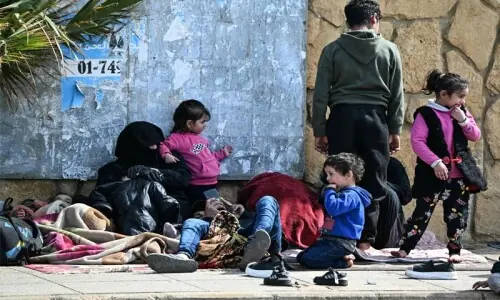
Despite possessing huge natural resources, Balochistan is the poorest and the least developed province of the country. Around 58 per cent of its population lives below the poverty line. In addition to low income, poor households are characterised by low levels of education, lack of drinking water and dearth of health and welfare services. As many as 92 per cent of the districts have been classified as ‘high deprivation’ areas compared to 50 per cent in Sindh and 29 per cent in Punjab. Less educated and less urbanised than the rest of the country, the province also has far greater dependency ratio.
Besides continued neglect and inconsistent policies by the central government, there are certain structural problems associated with its political, administrative and development crises. Before August 1, 1970, — the day Balochistan became a province within the federation of Pakistan — its administrative position was much different from the rest of the federating units.
While its structure was that of a state union, a sort of federally administered tribal area also existed in the province. That meant that Balochistan remained excluded from the administrative set up and political dispensation that prevailed in other provinces for about 22 years. The impact is visible in today’s Balochistan. The violence and the security crisis in the province have also had an exceedingly negative impact on its development, particularly on education.
However, many of these and other concerns regarding control and allocation of resources, and development have been addressed by three major initiatives of the present government: the Aghaz-i-Huqooq-i-Balochistan package, the 7th NFC Award and the 18th Constitutional Amendment.
The Aghaz-i-Huqooq-i-Balochistan package presented a set of recommendations for a joint sitting of the parliament on November 4, 2009. However, the tight military control, weak provincial government, structural administrative hurdles and lack of political consensus are the major hurdles in the way of implementation of these initiatives.
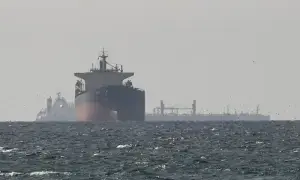
The construction of Gwadar port is also a worrisome development for India for a number of reasons. It complicates India’s naval strategic planning as it diversifies Pakistan’s naval defence. Moreover, India sees the port as another link in China’s chain encircling India.