War displaces up to 3.2m Iranians internally: UNHCR
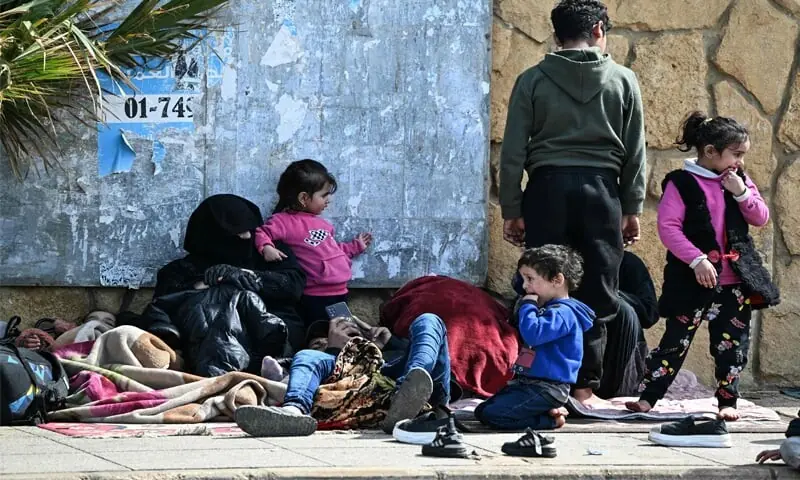
ISLAMABAD: The United Nations refugee agency has said that between 600,000 and one million Iranian households have been temporarily displaced inside Iran as a result of US-Israeli war against the country.
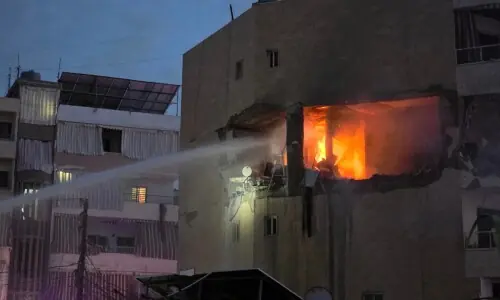
The UNHCR’s preliminary assessments represent displacement of up to 3.2 million people, and this figure is likely to continue rising as US-Israeli bombing persists, marking a worrying escalation in humanitarian needs, according to Ayaki Ito, UNHCR Director of Emergency and Programme Support and Cross-Regional Refugee Response Coordinator for the Middle East Emergency.
Most of the displaced persons are reportedly fleeing from Tehran and other major urban areas towards the north of the country and rural areas to seek safety.
Also affected are Afghan refugee families, who are particularly vulnerable, given their already precarious situation and limited support networks. Families are leaving affected areas amid rising insecurity and limited access to essential services, the UN agency said.
With its longstanding presence in Iran, including operational reception areas, helplines and ongoing support services, UNHCR is adapting its response to growing needs, working with national authorities and partners to assess emerging requirements and strengthen preparedness as population movements increase.
The UN agency stressed the urgent need to protect civilians, maintain humanitarian access, and ensure borders remain open to those seeking safety in line with international obligations.
Published in Dawn, March 14th, 2026