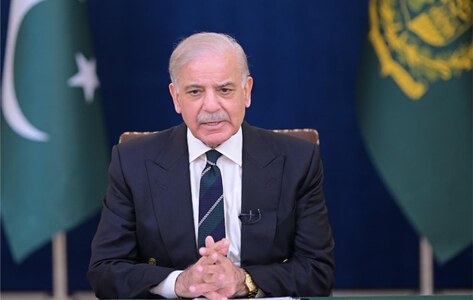
PRIME Minister Shehbaz Sharif’s announcement of ‘austerity’ measures in response to the fuel crisis triggered by the US-Israel war against Iran appears to be a recognition of the economic strain now being passed on to citizens.
Yet the steps announced by the federal government, with the provinces following suit, offer little meaningful relief to the public. They include: grounding 60pc of official vehicles, cutting fuel allowances, suspending some government purchases, asking ministers and legislators to temporarily forgo their salaries, etc.
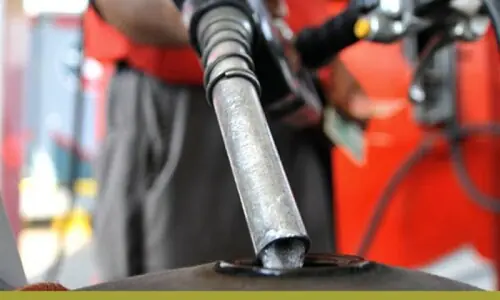
These measures were announced only after the government faced strong public backlash against the sharp hike in fuel prices. A two-month cut in allowances or temporary salary reductions will have negligible fiscal impact. Bans on purchasing vehicles, furniture or air-conditioners are unlikely to significantly reduce public spending. Such restrictions are easily reclassified or quietly reversed once the public pressure subsides.
These austerity measures sit uneasily alongside the government’s own recent spending patterns. The PM’s frequent foreign trips, the procurement of expensive aircraft for the Punjab chief minister and the acquisition of high-end vehicles for bureaucrats have reinforced the view that the ruling elite is insulated from the public’s hardships.
The steps were announced after the State Bank decided to continue the pause on monetary easing as rising energy costs threaten inflation, fiscal stability and external balances. The SBP warned that geopolitical tensions have significantly increased risks to the economic outlook despite stronger macroeconomic buffers than in 2022. In this context, the measures are a ritualistic response to public anger rather than a sincere attempt to reform state spending. Pakistanis have seen similar measures in times of crises, typically framed as ‘sacrifices’ by the ruling class. But they rarely translate into long-term fiscal discipline.
More importantly, these steps will hardly ease the burden on citizens already struggling with the steepest rise in fuel cost in months. Higher transport fares, rising food prices and increased utility costs will continue to squeeze household budgets regardless of whether ministers skip official dinners or government offices shift to teleconferencing.
True austerity cannot be episodic nor can it come with a built-in sunset clause. It needs sustained, credible limits on state expenditure and a willingness by the ruling class to align their own lifestyles with realities on the ground.
Much of our economy operates in the shadows. So too does a significant portion of government expenditure that sustains the luxurious lifestyles of the ruling politicians and bureaucrats. For a public increasingly aware of the inherent contradictions, pronouncements of ‘austerity’ are unlikely to inspire confidence.
The real issue is not whether austerity is announced but whether it actually eases the pain of ordinary citizens and is not simply an attempt to deflect growing public criticism.
Published in Dawn, March 11th, 2026