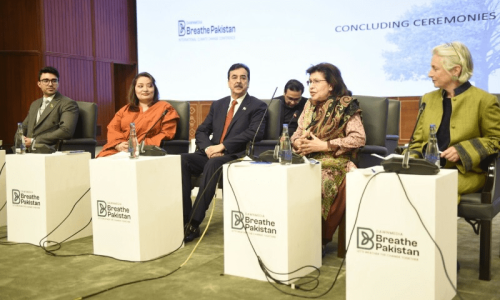
THE citizens of Pakistan have spoken. But is the state listening? In the aftermath of DawnMedia’s Breathe Pakistan conference held earlier this year, a Climate Justice Declaration has now been drawn up. It outlines a clear path for how the country must rethink its relationship with the environment and respond to the climate crisis.
But while the citizens call for transformation, the government continues to respond with tokenism. Labelled as Pakistan’s first-ever ‘climate budget’, the FY26 budget should have marked a turning point. Instead, it has revealed the government’s shallow engagement with the climate challenge.
As noted, the budget resorts to greenwashing — using the language of sustainability to mask what are essentially tax measures. A Rs2.5 per litre carbon levy on petroleum products and a 10pc tax on imported solar panels are presented as climate-friendly, yet they disproportionately burden the poor and discourage renewable adoption.
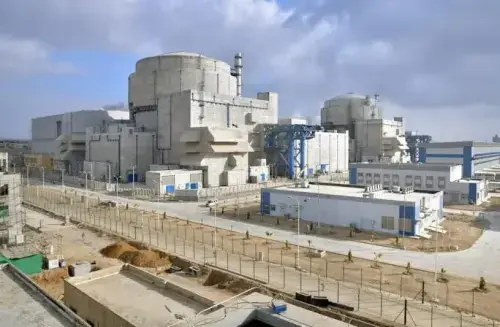
Meanwhile, coal-based power projects continue unchecked, and fossil fuel consumption remains central to energy policy. This is not climate leadership; it is revenue collection dressed in green.
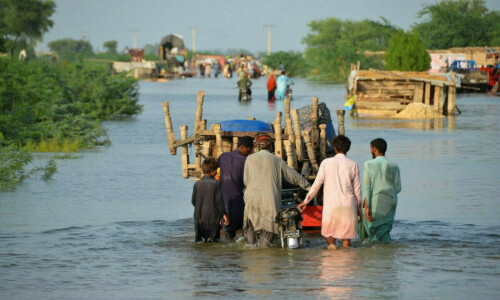
This budget fails where it matters most: in building resilience. Pakistan is among the world’s most climate-vulnerable countries. Yet, instead of helping communities prepare for and survive climate shocks, the budget continues to pour money into mitigation-heavy projects like dams and infrastructure. While such investments may be a part of long-term goals, they do little for the millions already losing homes, livelihoods and lives to today’s climate disasters. According to analyses, 87pc of the climate budget is earmarked for mitigation, while only 10pc is allocated to adaptation. The tragic deaths of 18 tourists in the Swat river are only the latest reminder that climate volatility is not some distant worry — it is our present reality.
The government must urgently move beyond superficial gestures. To begin with, climate decisions must be based on facts, not politics — guided by independent science and open to public scrutiny.
Second, the government must focus on helping the people and places already hit hard by funding flood protection, rebuilding damaged areas and preparing for future disasters, instead of waiting until it’s too late.
Third, we must stop copying foreign models and back local solutions that actually work — from traditional farming practices to community-led forest protection. Real climate action needs serious reform. The government should stop dragging its feet, set up the promised climate authority, fund key sectors like forests and farming and hold polluters and officials accountable. Parliament must study, debate and translate this climate declaration into law.
Climate justice demands laws that work, budgets that deliver and a government that leads from the front. Most of all, it requires collective resolve — not just from citizens, but from those in power.
Published in Dawn, July 8th, 2025