World will have to learn to live with heatwaves: UN


GENEVA: The world will have to learn to live with heatwaves, the United Nations’ weather and climate agency said on Tuesday, as much of Europe roasted in high summer temperatures.
The World Meteorological Organisation said that in future, people could expect heatwaves to occur more often and be more intense because of human-induced climate change.
WMO spokeswoman Clare Nullis said July was traditionally the hottest month of the year in the northern hemisphere, but it was exceptional, though not unprecedented, to have episodes of extreme heat this early in the summer.
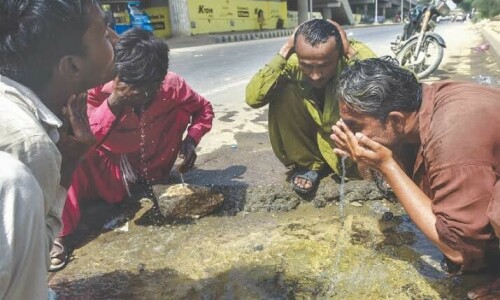
She said extreme heat was “widely called the silent killer”, with the death toll often under-reflected in official statistics.
“It’s important to stress that every single death from heat is unnecessary: we have the knowledge, we have the tools; we can save lives,” she said.
Western Europe is sweltering under the influence of a strong high pressure system, Nullis told a press briefing in Geneva. “This is trapping hot air from northern Africa over the region, and as we can see it’s having a pretty big impact on the way we feel and the way we are acting,” she said.
A major factor in the heatwave is the exceptional sea surface temperatures in the Mediterranean.
“It’s the equivalent of a land heatwave. The Mediterranean Sea is suffering a pretty extreme marine heatwave right now, and that tends to reinforce the extreme temperatures over land areas,” Nullis said.
She said the urban heat island effect was exaggerating the situation in cities, with a lack of greenery to absorb the heat and concrete surfaces reflecting it.
The WMO said early warnings and coordinated action plans were crucial to protect public safety, and meteorologists were getting better at both. “As a result of human-induced climate change, extreme heat is becoming more frequent, more intense. It’s something we have to learn to live with,” Nullis said.
She added, “What can we expect in the future? More of the same, even worse.”
On the other hand, the International Federation of Red Cross and Red Crescent Societies said its national teams had mobilised across Europe to help people cope.
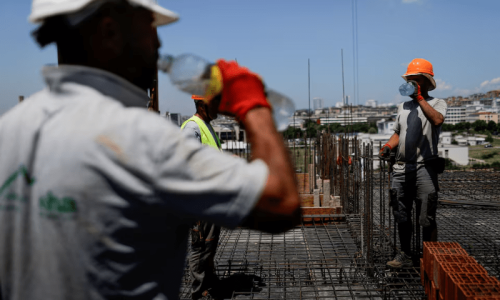
“Volunteers are giving out water and checking on the most vulnerable populations, including people experiencing homelessness, older people, and outdoor workers,” IFRC spokesman Tommaso Della Longa told the briefing.
“Extreme heat doesn’t have to be a disaster: knowledge, preparedness and early action make all the difference.”
Published in Dawn, July 2nd, 2025