0
0
KARACHI: Lack of trust and inconsistent policies are among major hurdles in regional connectivity in South Asia, especially in the relations of Pakistan and India, which is hampering economic growth and affecting peace and stability in the region.
Speaking at a conference, experts also stressed the need for Pakistan to revisit its Afghan policy to mitigate growing differences between the two neighbours.
The conference, “Future Prospects of Regional Connectivity through Dialogue in South Asia: Global and Strategic Perspectives”, was organised by the Rabita Forum International (RFI) and the Area Study Centre for Europe (ASCE) University of Karachi at the National Institute of Management here on Wednesday.
Acting ASCE Director Dr Uzma Shujaat said the conference aimed at generating a debate around regional connectivity and collaboration in South Asia.
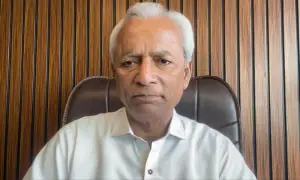
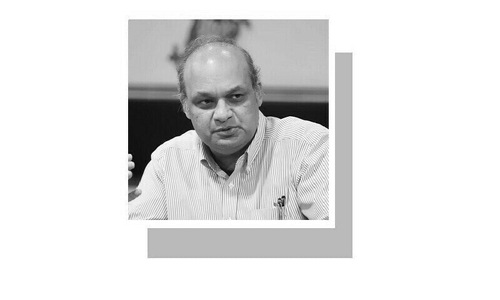
It remains to be seen whether Modi adopts rational attitude towards Pakistan after his electoral setback, observes ex-foreign secretary Najmuddin Shaikh
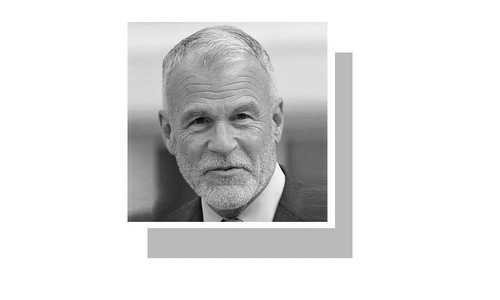
The keynote speaker of the conference was former foreign secretary Najmuddin Shaikh. He said regional connectivity was important for economic development in South Asian countries. He said Pakistan had always been a supporter of regional cooperation and still was so.
Speaking of the country’s relations with Afghanistan and India, Ambassador Shaikh said that at present, Narendra Modi’s attitude was a big issue as his ideology was that it was now the time of Hinduism in India after 1,000 years of rule by foreigners.
However, he wondered if the recent electoral setback that Modi suffered in the Indian election would lead him to adopt a rational and collaborative attitude towards Islamabad.
About Afghanistan, he said there too was little hope from the Taliban for cooperation and peace as it was a “difficult” regime. Besides, they were providing shelter to the outlawed Tehreek-i-Taliban Pakistan (TTP) militants and other enemies of Pakistan.
Therefore, he said there was a need for a policy primarily focused on such regional challenges as well as reviewing the Afghan policy to mitigate growing differences between the two neighbours.
KU Dean Faculty of Arts and Social Sciences Prof Dr Shaista Tabassum lamented the dysfunctional nature of the South Asian Association for Regional Cooperation (Saarc) and how contemporary crises such as climatic catastrophes and energy deficits in the region could have been overcome through intra-regional collaboration.
Speaking of hurdles in the cooperation between India and Pakistan, Dr Tabassum said there were some policy issues that needed to be resolved. Pakistan, she said, often demanded resolving the outstanding issues first before moving towards mutual cooperation and collaboration, which was not in the country’s favour.
She said dialogue was the first and most important step in resolving issues between the two countries.
KU Vice Chancellor Dr Khalid Mahmood Iraqi said regional connectivity was important for economic growth of countries but South Asia had been unable to achieve it so far.
He said European Union was a good example to look at in that regard as European countries were also divided in the past but now they were well connected and there was much cooperation among them and their citizens were enjoying peace, stability and economic growth.
Referring to outstanding issues between India and Pakistan, Dr Iraqi said many issues of that sort also existed between Taiwan and China but those issues didn’t hamper their collaboration and cooperation with each other.
He said trust was the major problem in the ties between India and Pakistan. Leaders of both the countries calculated their political cost rather thinking of benefitting the people, he added.
There was a need to have a rational and long term policy with consistency and continuity to resolve those issues, he said.
Former ambassador Qazi Muhammad Khalilullah, RFI chairperson Nusrat Mirza and others also spoke on the occasion.
Published in Dawn, June 6th, 2024