A weekend in London and the sun is shining, natives and tourists are out shopping and lingering in cafes and a giant balloon depicting London Mayor Sadiq Khan, scowling in a yellow bikini, has taken flight over Parliament Square in Westminster.
The Sadiq balloon is critics’ response to a similar “Baby Trump” balloon which was the centre of attention when the US president was in London a few weeks ago. It is also meant to highlight the capital’s rise in violent crime.
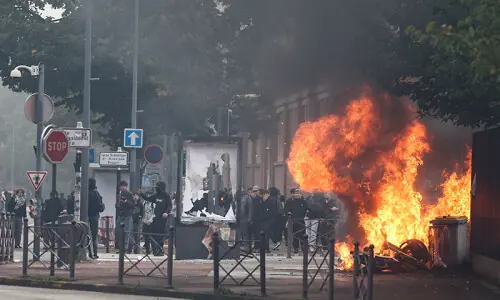
And indeed, crime is up, friends and family tell me. The latest trick is to grab smartphones out of the hands of people as they walk down London streets. There’s talk of gang wars, stabbings and murders.
Fortunately, I don’t run into any criminals. And with the sun out, London is looking its best. Vibrant, noisy, colourful. It’s difficult to tell who is British and who is not. As always, there’s a mix of accents, ethnicities, food and cultures.
While many other European cities now frown on tourists for the disruption and disorder they bring, London is still in a welcoming mode. Visitors from America, Asia and Africa jostle on the streets with their London-based friends and cousins.
As always, I get a kick out of London, a high from of being in one of the world’s real global metropolises which still, deep down inside, feels like a small village, with my favourite shops, cafes and museums.
And then suddenly I remember “Brexit” and the sun disappears behind a cloud. This city, this country, isn’t going to be part of the European Union any more. It’s a sad thought. Correction: it’s a devastating thought.
True, London and Britain will still be part of Europe, just a two-hour Eurostar ride from Brussels. “London will still be London,” friends tell me consolingly. “We’re not going anywhere, you will still be welcome.”
London isn’t going to remain unscathed, however. Banks, investment companies and other financial giants have all started publicising plans for their moves to other European locations. Amsterdam, Dublin, Frankfurt, Paris are vying for businesses leaving London.
Sadiq Khan says that London won’t change, will still be an attractive location. But, it’s going to be complicated. Of course it is. Divorce always is.
And this divorce is turning into a toxic soap opera, played out on the international stage, with everyone around the world watching in sheer horror and bewilderment, asking themselves incredulously: how could they commit such a mistake?
The truth is no one knows. No British politician, irrespective of their party affiliation, seems to have a clue about how they got Brexit, about the real effort involved in extricating Britain from the EU, the cost of Brexit or what to do next.
The Tory party is engulfed in rumours of palace coups and conspiracies, with former foreign secretary Boris Johnson still trying desperately to unseat Prime Minister Theresa May and finally get the top job.
Jeremy Corbyn, the Labour party leader, much to the dismay of those who want to stay in the EU, hasn’t come out in favour of Remain. Speculation as to how long he will stay head of the opposition is also rife.
The talk a few weeks ago was of a “no deal Brexit” with Britain crashing out of the EU without an agreement. Newspapers headlined with news of upcoming food and medicine shortages, disruption pension payments and problems at Britain’s borders.
The focus now is on a new opinion poll which says that British citizens would vote 59-41 in favour of Remain if the government did decide to hold a second Brexit referendum. The figures represent the highest recorded support for EU membership in such a survey since the 2016 vote.
On June 23, 2016, 52 per cent of the voters backed leaving the EU while 48pc backed staying. The government has, however, ruled out holding a second referendum.
But May’s so-called Chequers plan for keeping Britain in the EU single market for goods with a bespoke customs arrangement with Brussels is also going nowhere. It has come under intense opposition from just about everyone, including Boris Johnson. EU leaders are expected to give their response to the plan at a summit in Salzburg in November but hopes that they will accept the arrangement are likely to be shattered.
Britain is due to leave the EU on March 29, 2019. A few months ago, that deadline seemed far away and there were hopes that British politicians would come to their senses and stop the sorry process.
But they haven’t. Brexit is around the corner. It’s up close and personal — and not at all funny anymore.
The writer is Dawn’s correspondent in Brussels
Published in Dawn, September 8th, 2018