15
15
AS India continues to use brutal methods to crush dissent in occupied Kashmir, it is clear that the Kashmiri people have rejected fear and are bravely confronting New Delhi’s harsh tactics to speak up for their rights.
Some 20 people have been killed in acts of violence in the held valley since Sunday — at least 17 by Indian forces.
While the Indian military alleges that many of the victims were ‘militants’, civilians too were amongst the dead as four demonstrators were killed when police opened fire on them.
Thousands of Kashmiris had taken to the streets to denounce Indian rule as New Delhi had launched an ‘anti-militant’ operation near Srinagar.
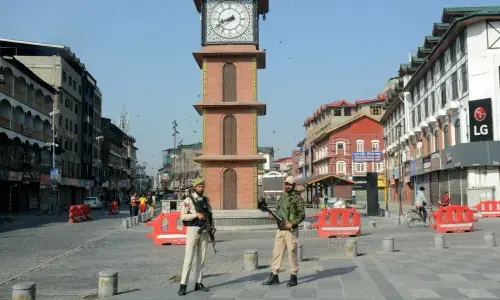
The situation on Monday was equally tense; a general strike was observed while the administration placed parts of the region under curfew.
Over the past few years, such spurts of violence have understandably become very common, as New Delhi uses increasingly harsh methods to clamp down on Kashmiri aspirations for freedom.
Particularly since the BJP took power in the centre in 2014, matters have been going from bad to worse, as the Hindu nationalist party seems hell-bent on decimating all vestiges of autonomy and crushing the people’s desire for freedom with brute force.
In fact, one of the worst incidents of Indian arrogance and disdain for the locals took place last year during a by-election, when troops tied a Kashmiri man to a jeep as a human shield.
The Indian military went on to reward the officer who was chiefly responsible for this reprehensible act, while the example of a BJP leader selling T-shirts depicting the incident and glorifying the Indian army, exposes the false narrative that is continuously being spun.
Such acts on part of the Indian establishment reflect a desire to dehumanise Kashmiris and belittle their indigenous struggle.
Pakistan has condemned the round of latest violence against the Kashmiris in strong terms.
However, while Pakistan should continue to offer the Kashmiris moral and diplomatic support, it is Indian civil society that needs to raise a louder voice against human rights violations in held Kashmir.
In 2016, when a Kashmiri human rights activist was detained, many prominent Indians wrote an open letter demanding his release.
Today, those who value democratic freedoms in India must ask their state — both the government and the military establishment — to respect the human rights of Kashmiris.
Unfortunately, the people of the region are hardly treated according to the democratic values India swears by, and the international obligations it is supposedly committed to.
While the ideologues of the Sangh Parivar that have infiltrated the Indian establishment may continue to dream of ‘conquering’ Kashmir, brutal tactics will only add to the people’s alienation.
Published in Dawn, April 3rd, 2018