ISLAMABAD: The Special Committee on Gender Mainstreaming on Thursday reviewed programmes under the Benazir Income Support Programme with members raising questions about transparency, fiscal sustainability and expansion of the social protection coverage.
The committee meeting held at the BISP headquarters in Islamabad was chaired by MNA Dr Nafisa Shah. The secretary BISP briefed the committee on ongoing initiatives, highlighting efforts aimed at women’s socio-economic empowerment and gender-responsive service delivery.
Officials informed the committee that BISP currently supported over 10.2 million families across the country, a substantial increase from 2.2 million beneficiaries at the programme’s launch in 2008. Under the Benazir Kafalat initiative, quarterly stipends had been increased to Rs14,500 with Rs561 billion earmarked for the current fiscal year.
The committee was told that payment systems were being modernised through CNIC-linked Social Protection Wallets to improve transparency and promote financial inclusion.
More than 7.26 million SIM cards have been issued to beneficiaries to facilitate secure digital transactions.
The officials also outlined progress under the Benazir Taleemi Wazaif and Benazir Nasho-Numa programmes, the latter implemented in collaboration with the World Food Programme to address child stunting and maternal health challenges. Through the Dynamic National Socio-Economic Registry (NSER), officials said, poverty-based targeting now covered 38.7 million households.
Despite acknowledging the programme’s outreach, committee members expressed concern over long-term fiscal sustainability amid prevailing economic pressures. Questions were raised regarding safeguards against unauthorised deductions, biometric verification protocols and interbank interoperability within the evolving digital payment framework.
Dr Shah sought detailed clarification on the integrity and periodic updating of the NSER, including the frequency of third-party surveys, inclusion and exclusion criteria, and mechanisms to prevent political interference in beneficiary selection. Members also inquired about grievance redress systems, third-party audits, data protection measures and oversight arrangements to ensure fair and efficient use of public funds.
The chairperson proposed exploring ways to include elderly citizens, persons with disabilities and indigent men lacking family support who may fall outside the current eligibility framework. She suggested that verified data from the National Database and Registration Authority (Nadra) could help identify vulnerable individuals through existing demographic and disability records.
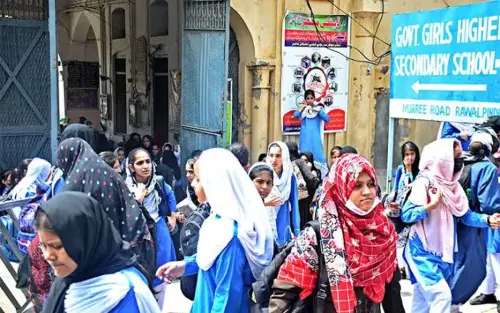
The committee recommended expediting nationwide rollout of interoperable digital wallets, strengthening compliance monitoring for education stipends, expanding mobile registration outreach in remote areas and enhancing coordination with provinces to address girls’ school access and transport barriers. It also emphasised linking cash transfers with skills development and employment initiatives to promote sustainable poverty reduction.
The chairperson approved minutes of previous meetings before concluding the session, which was attended by MNAs and senior officials from BISP and the Ministry of Human Rights.
Published in Dawn, February 28th, 2026