LONDON: Several universities in the United Kingdom have suspended or restricted admissions for students from Pakistan and Bangladesh following tougher immigration rules introduced by the Home Office and rising concerns over alleged visa abuse, the Financial Times has reported.
At least nine higher education institutions have placed the two countries in a “high-risk” category for student visas and tightened their enrolment policies to protect their ability to sponsor international applicants, according to the report published on Thursday.
The move follows a surge in asylum claims lodged by international students, prompting the UK ministers to warn that the study route “must not be used as a backdoor” to settlement.
Among the universities taking action, the University of Chester has suspended recruitment from Pakistan until autumn 2026, citing a “recent and unexpected rise in visa refusals”. The University of Wolverhampton is not accepting undergraduate applications from either Pakistan or Bangladesh, while the University of East London has paused recruitment from Pakistan altogether.
Other institutions, including Sunderland, Coventry, Hertfordshire, Oxford Brookes, Glasgow Caledonian and private provider BPP University, have also halted or scaled back admissions from the two countries under what they describe as risk-mitigation measures.
The restrictions come after a regulatory overhaul that took effect in September, reducing the maximum visa refusal rate allowed for institutions sponsoring international students from 10 per cent to 5pc.
However, refusal rates for Pakistani and Bangladeshi student visa applications stand at 18pc and 22pc, respectively, far exceeding the new limit, FT reported. Together, applicants from the two countries make up half of the 23,036 student visa refusals recorded by the Home Office in the year to September 2025.
Asylum claims from both nationalities have also risen, many involving students who first entered the UK on study or work visas.
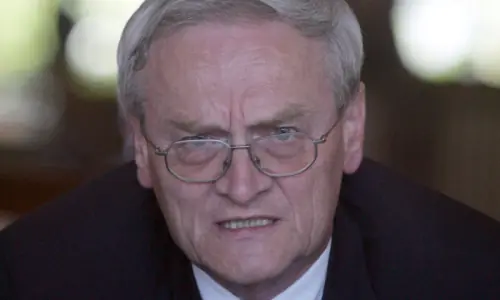
International higher education consultant Vincenzo Raimo told FT that the crackdown had created a “real dilemma” for lower-fee universities heavily dependent on overseas enrolments. Even limited numbers of problematic cases, he warned, could jeopardise compliance with the tightened thresholds.
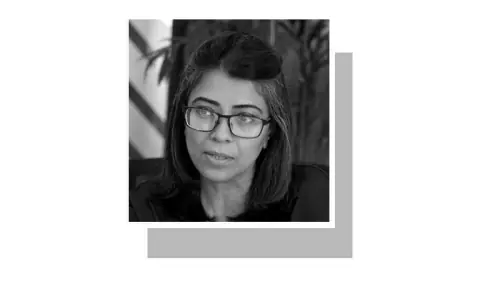
The measures have drawn frustration from education advisers. Maryem Abbas, founder of Lahore-based Edvance Advisers, described the decisions as “heartbreaking” for genuine students whose applications were being rejected at the final stage. She argued that weak oversight of recruitment agents had contributed to the rise in misuse of the student route, turning it into a “moneymaking business”.
Universities UK International said some institutions would need to diversify international recruitment and strengthen application checks to retain their sponsorship rights.
Published in Dawn, December 5th, 2025