‘Governance failures hurt investor confidence’
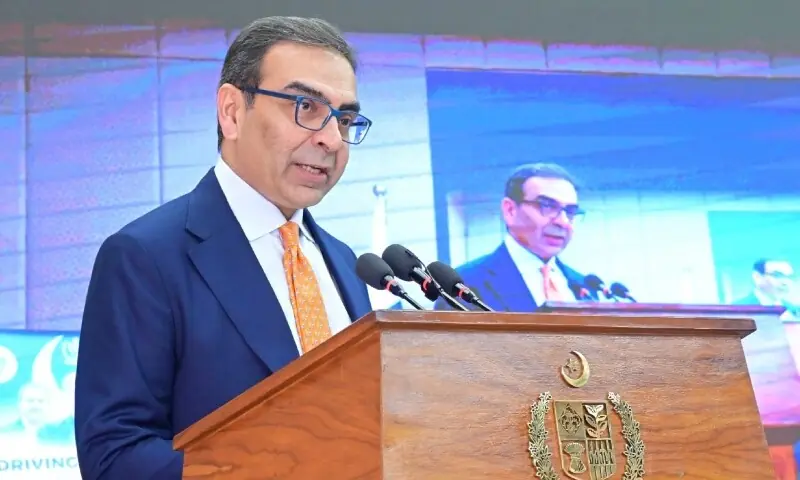
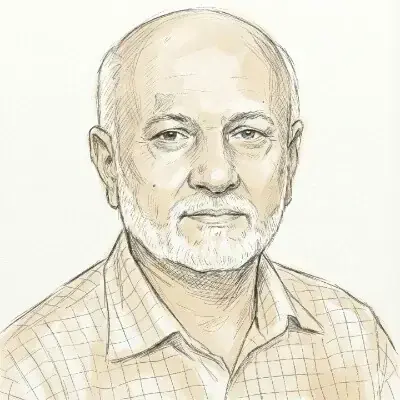
ISLAMABAD: Adviser to the Prime Minister on Privatisation Muhammad Ali has said that investor confidence remains low because of governance problems, and not due to a lack of opportunities.
Speaking on “Privatisation and Private Sector Participation” at last day of economic dialogue hosted by the Pakistan Business Council on Thursday, Mr Ali, who also heads the Privatisation Commission, said the government must ensure legal consistency, market logic and stronger regulatory capacity to attract investment.
He said regulators are now appointed through set processes, but those processes need reform. “We need independence, strong governance, clear key performance indicators and a coordinating institution for regulator’s oversight without compromising autonomy,” he said.
Mr Ali outlined a five-point model for successful privatisation: efficiency improvements, better service delivery, stakeholders having a stake in outcomes, real accountability and optimal resource allocation. Decisions, he said, must be made by those whose money is at risk. “Today, ministries run commercial entities, but the money lost never leaves their pockets,” he remarked.
PM’s adviser calls for legal consistency, stronger regulation to attract investment
The PM’s adviser noted that several organisations on the privatisation list have remained pending for two to three decades, including Pakistan Steel Mills, Pakistan Railways, Printing Corporation of Pakistan and multiple power distribution companies (Discos).
The government now aims to complete a few major transactions, including PIA, for which bidding is underway, and long-term concessions for the international airports of Karachi, Lahore and Islamabad. The airports are not being sold, he clarified.
Mr Ali said the government’s criteria is to privatise non-strategic state-owned entities (SOEs), adding that whether an entity is loss-making or profitable does not affect the decision. Some generation plants are being added to the programme, while future efforts will focus on petroleum and energy sector assets.
He highlighted the disadvantages of heavy government presence in SOEs, saying their losses drain fiscal space and undermine competitiveness. Political changes, bureaucratic rotations and personal networks influence hiring, he said, leading to brain drain, overstaffing, poor service delivery and low productivity. He said privatisation leads to wealth creation, which contributes to tax revenue, human capital development, entrepreneurship and expansion across sectors. “Privatisation means letting go. It will be difficult, but necessary,” he said.
Arif Habib Group founder Arif Habib, speaking on the benefits of privatisation, said Pakistan holds about Rs90 trillion worth of SOEs that earn an average return of only one per cent, while the country borrows at 15pc, creating a 14pc negative gap that costs billions annually.
He said pre-privatisation listings are unwise, as the market will not offer the right price.
Moderating the discussion, SECP Executive Director Musarrat Jabeen said the government has renewed its commitment to privatisation. The private sector is ready to invest, she said, provided opportunities are transparent and backed by reforms. With the right structure, Pakistan’s capital market can channel investment into the economy, she added.
Advisory services deal
Meanwhile, the Privatisation Commission on Thursday signed a Financial Advisory Services Agreement (FASA) with Raiffeisen Investment Finansal Danismanlik Hizmetleri Ltd Sirketi for private-sector participation in the privatisation of Hyderabad Electric Supply Company (Hesco) and Sukkur Electric Power Company (Sepco).
Raiffeisen Investment was selected as the top-ranked financial adviser through a competitive process, the commission said in a press release. The agreement completes the adviser appointment process for the second batch of distribution companies moving towards privatisation.
Published in Dawn, November 28th, 2025