EU backs efforts to raise legal marriage age for girls in Pakistan to 18
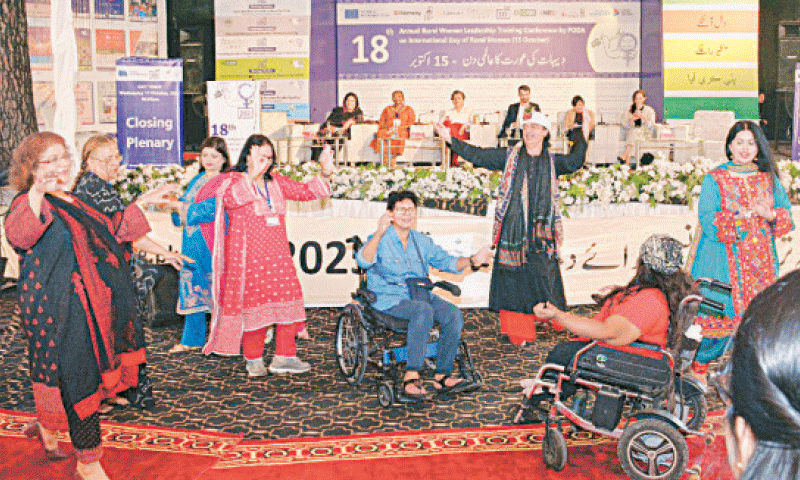
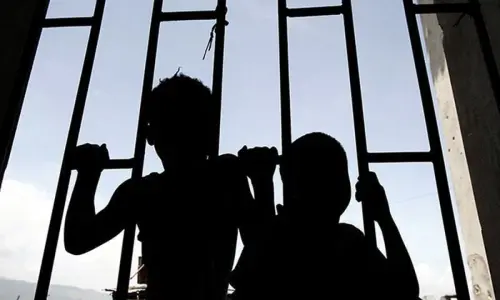
ISLAMABAD: The European Union on Friday reaffirmed its commitment to supporting Pakistan in raising the minimum age of marriage for girls to 18 years, as discussions at the 18th Annual Rural Women Leadership Training Conference concluded on Friday.
The three-day event, organised by PODA in collaboration with Lok Virsa and supported by the EU and the embassy of Norway, brought together women leaders from across the country to advance gender equality and rural women’s empowerment.
Dr Sebastien Lorion, Team Leader for Governance and Human Capital Development at the EU Delegation to Pakistan, stated that ensuring 18 years as the legal age of marriage for girls remains one of the EU’s key priorities.
He noted that Pakistan, being a signatory to several international treaties, had a responsibility to safeguard girls’ rights and that the forthcoming GSP+ review will include this issue among its agenda points.
Federal Minister for Investment and Chairman of the Federal Board of Investment Qaiser Ahmed Sheikh voiced strong support for the nationwide enforcement of the 18-year minimum marriage age.
He said Pakistan’s sustainable development was closely tied to women’s empowerment and acknowledged the vital but under-recognised role of rural women in agriculture.
Sheikh lauded PODA for providing a national platform that amplified women’s voices and purchased a painting by a woman leader to support flood-affected women.
PODA Executive Director Sameena Nazir called for more effective documentation of women’s work to improve gender data accuracy in global indexes, where Pakistan continues to rank near the bottom.
A session on “Artificial Intelligence Use, Training and Future Jobs in Pakistan” explored the transformative role of AI in creating opportunities for women.
Daniela Draugelis, CEO of Cultural Pathways, and Gulmina Bilal, Chairperson of NAVTTC, highlighted the need for inclusive digital literacy and culturally relevant AI systems to ensure women’s meaningful participation in the digital economy.
The conference also observed the International Day for the Eradication of Poverty.
Ziaur Rehman, Chief Executive of Awaz, said ending poverty requires social protection and recognition of women’s community contributions.
Women leaders from 100 districts adopted Resolution 2025, calling for legal reforms on child marriage, gender-responsive climate and flood policies, recognition of women farmers, improved education and mobility and greater access to AI and cybersecurity training, urging collective action to build an inclusive and resilient Pakistan.
Published in Dawn, October 18th, 2025