US, Iran officials make first direct contact since war, say US media
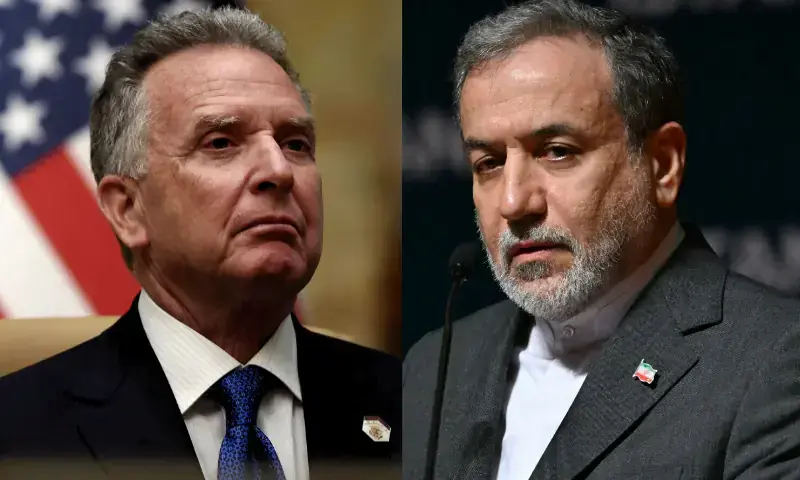
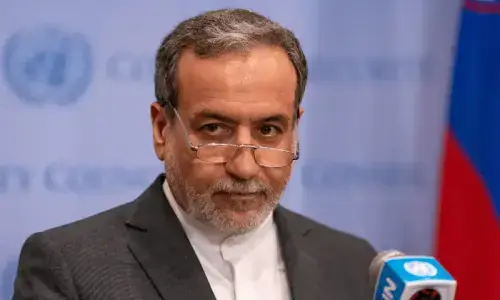
WASHINGTON: US President Donald Trump’s special envoy, Steve Witkoff, and Iranian Foreign Minister Abbas Araghchi have reportedly resumed direct communication in recent days, Axios reported, citing a US official and a source familiar with the matter.
Both officials had previously managed negotiations between Washington and Tehran before Israel and the United States launched an attack on Iran.
Axios noted that it is unclear how substantive the messages exchanged were, but the contacts mark the first known direct communication between the parties since the conflict began. According to the US official and the source, Araghchi sent text messages to Witkoff focused on ending the war.
However, Drop Site News reported on Monday that Witkoff had sent messages to Araghchi, quoting Iranian officials who said the foreign minister was ignoring the White House envoy’s messages.
The US official told Axios that it was Araghchi who was attempting to engage, but the US “is not talking” to Iran. Neither source provided details on the number of texts exchanged or their content.
However, in a post on X, the Iranian foreign minister denied any recent contact with the US envoy and said his last contact with Witkoff “was prior to his employer’s decision to kill diplomacy with another illegal military attack on Iran”.
“Any claim to the contrary appears geared solely to mislead oil traders and the public.”
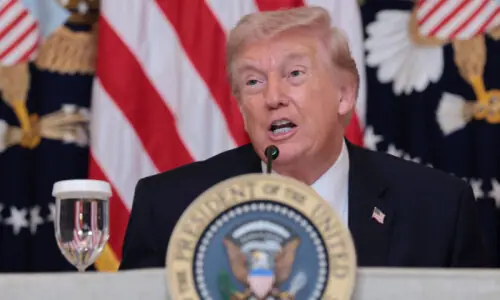
President Trump said on Monday that Iran had communicated with US officials but added that it was unclear if the Iranian officials involved were authorised to make a deal. “They want to make a deal. They are talking to our people… we have people wanting to negotiate, [but] we have no idea who they are,” he said.
Despite his scepticism over Tehran’s readiness to negotiate, Trump said he was not opposed to talks with Iran, noting: “Sometimes good things come out of it.”
Axios, a Washington-based news outlet, is considered reliable and has recently reported several exclusives that were later verified.
Reports of renewed direct contact between US and Iranian officials — even if limited to text messages — suggest that both sides may be testing diplomatic channels amid an escalating conflict that neither appears eager to prolong indefinitely.
Even if the exchanges were brief or exploratory, the significance lies less in their content and more in their existence. Direct communication — however limited — indicates that neither side has entirely closed the door to diplomacy.
In conflicts involving the United States and Iran, formal negotiations have often been preceded by informal or indirect contacts. During previous crises, Oman and other intermediaries played quiet roles in passing messages before official talks emerged. The reported Witkoff–Araghchi exchanges, if confirmed, would represent a more direct line — one that bypasses intermediaries.
At this stage, there is no evidence of structured negotiations or agreed frameworks. What exists is a contested report of message exchanges and cautious public remarks.