Dilapidated staff residences threaten sustainability of outsourced health units
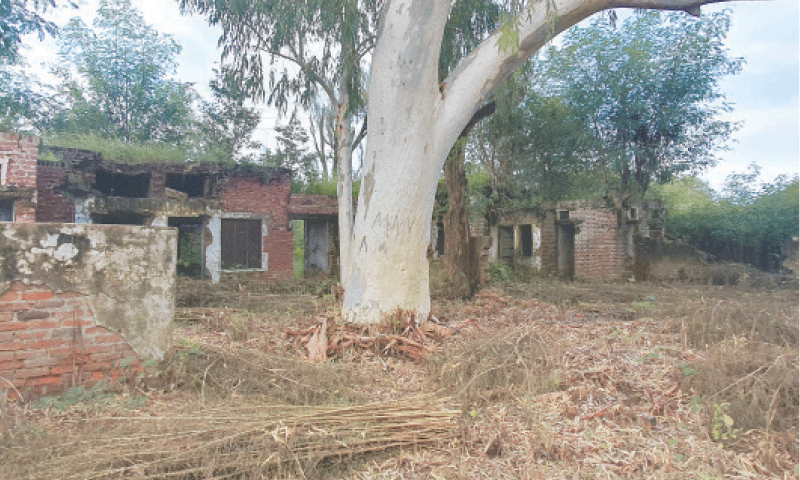
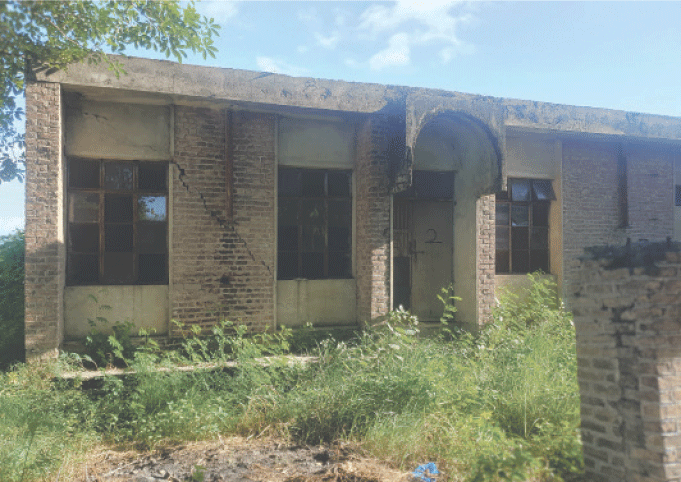
Although outsourced basic health units (BHUs) and rural health centres (RHCs) - now rebranded as Maryam Nawaz Sharif Clinics (MNSC) - have started providing healthcare services, residences of medical officers and paramedics remain in a dilapidated and uninhabitable condition.
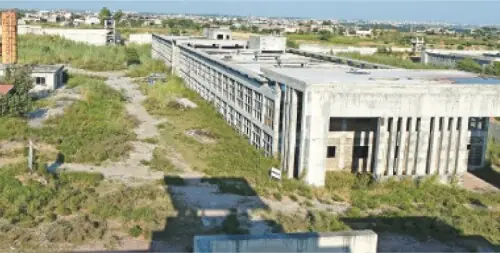
The abandoned structures have been overrun by weeds and wild growth as they stand as a stark reminder of official neglect.
At many facilities in Gujar Khan, Kahuta and Jhelum, newly-reconstructed medical blocks under the MNSC programme present a sharp contrast to the crumbling staff quarters.
While the upgraded wards, diagnostic rooms and labour rooms give the impression of a revitalised system, the surrounding residences are falling apart, raising concerns that unchecked neglect could undermine the entire initiative.
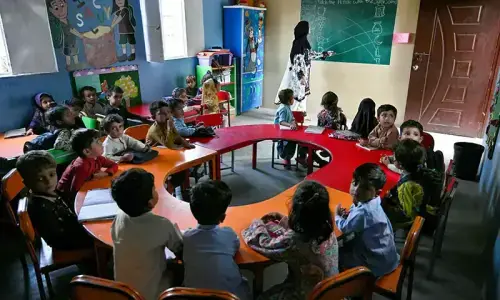
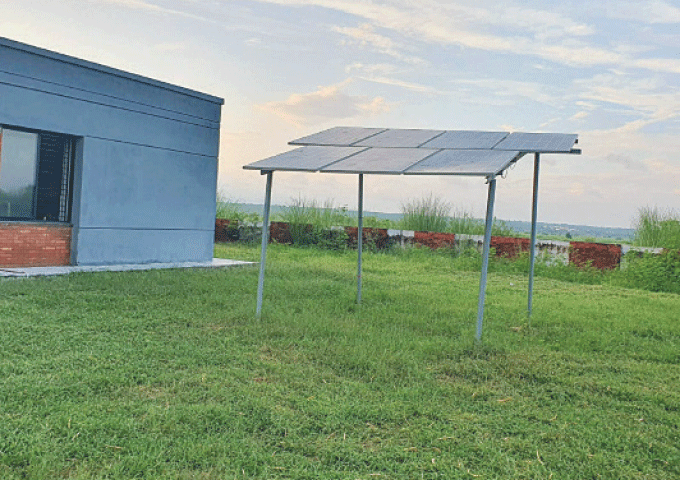
Before the launch of MNSCs, most BHUs had lost their utility due to the absence of medical officers, poor infrastructure and outdated equipment. The new initiative, however, has brought state-of-the-art facilities, solarised backup power systems, neatly kept beds, modern machinery and high standards of hygiene even in remote villages of Jhelum, Gujar Khan and Rawalpindi.
At Jandala, for instance, a once-defunct BHU now functions with full staff, equipped diagnostic rooms, waiting areas and labour rooms.
Dr Tauseef, a medical officer from Kot Addu, explained that he serves patients on contract, treating them free of charge with medicines he procures, and is reimbursed by the health department based on outpatient attendance. “My presence has given confidence to the community, and quackery in nearby areas is being discouraged,” he said.

However, he expressed concern about the broken boundary walls and jungle-like surroundings. Local residents echoed fears that snakes and wild animals posed a constant threat to health workers.
Former chief secretary Chaudhry Mohammad Ashraf stressed the need for a robust administrative mechanism to protect these assets, including regular clearing of hazardous plants, maintenance of drains and lawns and strict monitoring by district administrations.
Without such measures, he warned, even the MNSCs risk falling into the same neglect as the old BHUs. Data suggests that the initiative is already yielding results.
According to CEO of the Jhelum District Health Authority Dr Mazhar Iqbal, outpatient numbers at MNSC Jandala increased significantly with 1,351 patients in July 2025 compared to 876 in July 2024, and 1,148 in August 2025 compared to 875 the previous year.
Out of 27 health facilities in Jhelum, 13 have been renovated, while work is underway in 17 others under Phase II.
Similarly, Dr Naveed Akhtar Malik, district coordinator of the Integrated Reproductive Maternal Neonatal Child Health and Nutrition Programme in Rawalpindi, said 86 out of 98 BHUs and RHCs in the district have been outsourced.
These include facilities in Guliana, Jajja, Kuri Dolal, Ramay, Sangori and Bhadana, while 12 more are in process under Phase II. Larger RHCs in Daultala, Mandra, Qazian and Phagwari are also being renovated.
Both officials agreed that outsourcing has improved service delivery, with better results in immunisation, antenatal care, family planning, postnatal care and safe child deliveries.
Zero charges for treatment and medicines, along with round-the-clock functionality, have boosted public trust. Additional services, such as ultrasound, have also been introduced under strict hygienic protocols.
Dr Malik further highlighted improvements in job opportunities for doctors, availability of medicines, real-time monitoring of supplies and patients through CCTV and better data quality for all health indicators.
However, concerns remain over the payment model.

Doctors are paid Rs400 per outpatient, including medicine costs. While some critics argue this limits the supply of medicines, Dr Iqbal said monitoring mechanisms allow verification from patients.
He added that doctors often earn more than their expenses, as payments for services like childbirth (Rs6,500) or vaccinations exceed their actual costs.
One medical officer, speaking anonymously, acknowledged being paid per patient while purchasing medicines himself. Yet he stressed that outsourcing has fostered a greater sense of ownership among doctors.
Despite these gains, the decaying staff residences and unchecked wilderness within facility compounds cast a shadow over the progress. Unless addressed, this neglect could eventually engulf the very initiative that has begun to restore public trust in rural healthcare.
Published in Dawn, September 29th, 2025