0
0
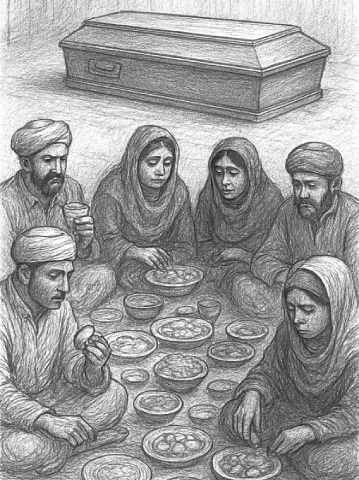
IN many societies, traditions are meant to bring people closer, especially in times of grief. However, over time, some customs have lost their original meaning and have become burdens rather than blessings.
One such ‘custom’ is the practice of arranging food at funerals — a growing tradition that has turned into a social illness. In times of mourning, the affected family is already dealing with emotional trauma, sadness and a sudden void. It is deeply unfair to expect them to host and feed hundreds of people.
Unfortunately, some of those in atten-dance shamelessly wait for the food to be served, and, in some cases, demand it. Even families struggling financially are expected to dish out the feast, or else face social stigma. A funeral, practically speaking, is an occasion where people coming for condolence should bring food for the aggrieved family. But we seem to love tradition way more than any sense of practicality, especially when the former means a feast for free.
Offering simple food or refreshments to relatives or guests who have travelled long distances to pay their respects is understandable. It really is. But when neighbours and local community members gather just to satisfy their hunger, it reflects a moral decline in society.
This ritual has now become a social disease. It must be addressed with urgency and sensitivity. We should take a collective stand to end this ‘tradition’, and, instead, promote genuine emotional support and spiritual unity during moments of grief. A society that prioritises empathy over empty rituals is a society that truly upholds the values of humanity and faith.
Muhammad Adam
Turbat
Published in Dawn, August 11th, 2025