0
0
ISLAMABAD: Pakistan and the United States convened on Wednesday a third round of virtual negotiations on reciprocal tariffs aiming to finalise a trade deal amid concerns over Islamabad’s $3 billion trade surplus with Washington.
The negotiations follow Washington’s announcement of potential 29 per cent tariffs on Pakistani exports, which have been temporarily suspended for 90 days to allow space for negotiations.
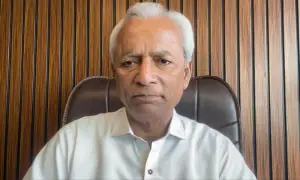
According to an official announcement by the finance ministry, a virtual meeting took place between Finance Minister Muhammad Aurangzeb and US Commerce Secretary Howard Lutnick on the reciprocal tariffs.
Both sides expressed satisfaction over the ongoing negotiations and resolved to conclude the trade negotiations next week.
Aurangzeb, Lutnick hold virtual meeting on reciprocal tariffs
It was also resolved that further to the trade agreement, a partnership, based on strategic and investment interests, would be concluded in due course covering areas of mutual interest.
The discussion focused on meaningful engagement in trade, investment and deepening economic ties mutually beneficial to both sides with technical level trade-related discussions to be concluded next week.
Both sides expressed confidence in concluding trade negotiations at the earliest.
It is worth mentioning that Finance Minister Aurangzeb and US Trade Representative Ambassador Jamieson Greer had initiated the formal dialogue on tariff deals with a telephonic conversation on May 30 this year.
Pakistan has also proposed zero-tariff bilateral trade agreement to the US in May, offering wide-ranging economic concessions, including incentives for American firms in Balochistan’s mining sector and increased imports of US cotton and edible oils.
Soon after assuming the office early this year, US President Donald Trump announced an increase in trade tariffs on Pakistani products — later suspended temporarily — as part of his global trade re-balancing to the US’s favour.
Prime Minister Shehbaz Sharif had immediately called for bilateral talks to address the matter.
Pakistan believes the increased tariffs, if actually applied by the US, could severely impact its export sector, leading to macroeconomic instability, significant job losses, and a critical reduction in foreign exchange earnings.
In FY24, Pakistan exported $5.3bn worth of goods to the United States, making it the country’s largest single-country export market.
A significant portion of these exports were textiles and apparel, which already face tariffs as high as 17pc. Pakistan’s imports from the US stood at around $2.1bn in FY24.
Published in Dawn, June 26th, 2025