World’s first humanoid robot fighting competition

Chinese robotics company Unitree recently showcased the combat abilities of its G1 robot, in the world’s first humanoid robot fighting competition.
The event, held in Hangzhou and broadcast by China Central Television (CCTV), featured four G1 robots in a kickboxing-style tournament.
Standing 130 cm tall and weighing 35 kg, the G1 demonstrated agility, balance and recovery in three two-minute rounds, scoring points with jabs, hooks and leg kicks. One match ended in a knockout.
Human controllers guided the robots via remote and voice commands, with the final match won by a G1 operated by tech influencer Lu Xin.
This marks a new chapter in robot competitions, with another event featuring full-sized humanoid robots set for December.
Albino cucumbers: a crisp, white surprise
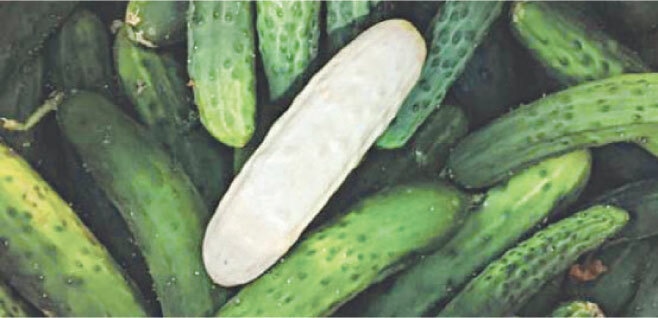
Tired of green cucumbers? Try albino cucumbers — a bright white heirloom variety dating back to 1893. First featured by Burpee Seed Company, they were developed from a customer submission and have since gone by names like White Wonder and Ivory King.
They’re crisp, mild and not bitter — perfect for salads, pickles or snacking. The thin, tender skin doesn’t even need peeling.
While not rare, they remain largely unknown despite seeds being easily available online.
Solo garlic is a real thing!
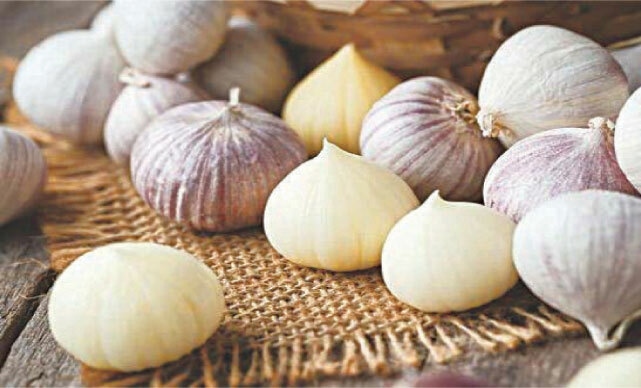
Solo garlic is simply a garlic bulb with one large clove. No fiddly peeling — just one big, flavourful clove ready to grate, mince or roast whole. While it might seem genetically engineered, it actually forms naturally when garlic grows in warmer conditions early on.
Believed to originate from Yunnan, China — still the largest producer — solo garlic is prized for its easy prep and milder, slightly stronger taste.
Still rare in the US and much of Europe, this time-saving gem deserves a place in more kitchens.
Tiny watermelons that are actually cucumbers
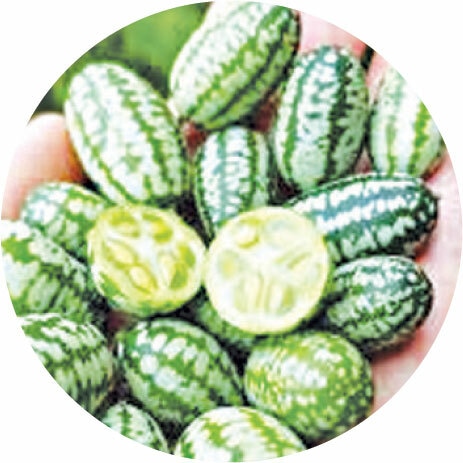
Pepquinos look like baby watermelons — but they’re actually a species of cucumber, known as Melothria scabra or mouse melons. Native to Central and South America, they’ve been
eaten for centuries but only recently became trendy. About the size of a grape, they can be eaten whole, skin and all, with a tangy, lemony flavour. They’re great in salads, pickled or served as fun garnishes for drinks and canapés.
Pink pineapples exist
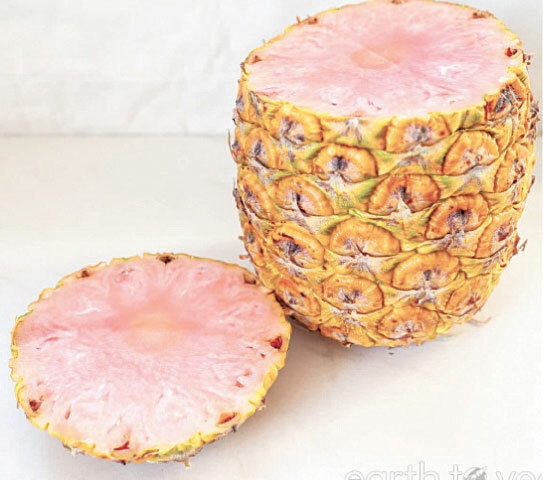
Pink pineapples look like something out of a fantasy world, but they’re real! Grown in Costa Rica and approved by the US FDA, they get their pink hue from lycopene — the same antioxidant found in tomatoes.
Scientists modified the fruit to reduce the enzyme that turns pineapples yellow. The result? A fruit that’s not only eye-catching, but also sweeter and less acidic than regular pineapple.
Del Monte markets them as “Pinkglow” pineapples, and they come with their crown cut off (to prevent home-growing).
They take about two years to grow, making them rare and quite expensive.
Published in Dawn, Young World, June 21st, 2025