FOOD insecurity across the world has reached unprecedented levels, with conflict, economic shocks, and climate extremes pushing millions to the edge of starvation, according to the Global Report on Food Crises.
The situation is most harrowing in Gaza, where the entire population of 2.1m is facing high levels of acute food insecurity. As of March 2024, more than half the population was classified in IPC Phase 4 Emergency levels, while an alarming 50pc faced Catastrophe conditions (IPC Phase 5), the final stage before famine is officially declared.
This is not just a humanitarian failure but a result of deliberate policy and sustained conflict. Gaza’s economy has collapsed under a 17-year blockade and repeated military escalations. By the end of 2024, 75pc of cropland, 57pc of greenhouses, and 68pc of wells had been destroyed. In north Gaza and Gaza governorates, 70pc of the population was surviving under Catastrophe-level conditions, relying almost entirely on inadequate humanitarian aid. Food prices skyrocketed, with wheat flour prices increasing by 3,000pc between February and April 2025.
Efforts at mitigation remain woefully insufficient. Humanitarian access has been severely restricted, with aid trucks entering Gaza far below pre-conflict levels, and the risk of famine remains persistent throughout 2025. The global community must push for an immediate ceasefire and unrestricted humanitarian access.
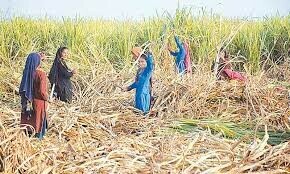
While Gaza’s plight is the most severe, Pakistan too faces a worrying food security outlook. Although food inflation fell to 0.3pc by December 2024, down from double digits earlier in the year, poverty and unemployment continue to hinder access to food. The 2022 floods left lasting scars, and extreme weather events in 2023 and 2024 further eroded livelihoods, particularly in rural Balochistan, Sindh and KP. These regions also face deteriorating water security, further compounding agricultural losses and pushing subsistence farmers into deeper debt traps.
As of the latest assessments, 11m people in Pakistan remain in IPC Phase 3 Crisis or worse, with 2.2m in Emergency conditions. High levels of acute malnutrition are particularly alarming in Sindh and KP, with a significant number of children born with low birth weight and a large burden of diarrhoea and respiratory infections exacerbating the crisis. Compounding these challenges is the global reduction in humanitarian funding, which has curtailed food assistance programmes.
Immediate policy interventions are needed. The centre and provinces must strengthen social safety nets, ensure nutrition support for mothers and children, and invest in climate-resilient agriculture. Without decisive action, Pakistan risks falling deeper into a chronic cycle of hunger and poverty.
In a world where millions go to bed hungry, and where children’s futures are traded for geopolitical gains, we must ask: how long can humanity endure this?
Published in Dawn, May 19th, 2025