0
0
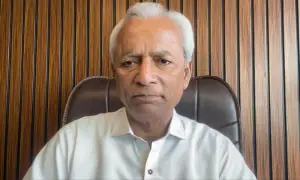
ISLAMABAD: Finance Minister Muhammad Aurangzeb says that Pakistan has reached a crucial juncture in its economic recovery and transformation.
“After inheriting an economy facing significant challenges from contracting GDP to depleting reserves, we have stabilised the fundamentals, restored confidence, and reignited growth,” he said while speaking at Pakistan Conference 2025 titled “Bridging Divides, Building Tomorrow: Pakistans Path to Inclusive Growth and Governance,” at Harvard University on Monday.
According to the finance ministry press release, the conference is an annual flagship event that brings together policymakers, academics, business leaders, and students to discuss Pakistan’s economic, political, and social trajectory.
Mr Aurangzeb highlighted key achievements, including a historic reduction in inflation to 0.7 per cent, the lowest in 60 years; foreign exchange reserves doubled; a 3pc currency appreciation; and a current account surplus exceeding $1bn in March.
Pakistan also witnessed a 44pc increase in Foreign Direct Investment (FDI), a 24pc rise in IT exports, and record-high remittances projected at $38bn. Pakistan achieved a fiscal surplus for the first time in 24 years, with the highest primary surplus in two decades. Fitch has upgraded Pakistan’s credit sovereign credit rating to B- with a stable outlook.
Emphasising that “stability is not an end but a means to an end, ” the finance minister outlined the government’s strategy, including maintaining fiscal discipline, controlling inflation, and pushing ahead with deep structural reforms in energy, taxation, governance, and the management of state-owned enterprises.
He flagged significant growth opportunities in Pakistan’s rich mineral resources, expanding IT sector, green energy initiatives, and the country’s youthful entrepreneurial population. Strengthening human development, he emphasised, is critical to sustaining high, inclusive growth.
On debt management, the minister noted that Pakistan successfully reduced its public debt-to-GDP ratio from 75pc to 67.2pc, with a plan to bring it below 60pc over the medium term through prudent fiscal management, enhanced domestic financing, and tax reforms.
Rightsising government expenditures and privatising loss-making state-owned enterprises are expected to save up to 2pc of GDP annually, with efforts focusing on transparency, competitive processes, and investor confidence.
Discussing Pakistan’s financial sector, the minister shared plans to build a deeper and more resilient system by expanding digital banking, capital markets and green finance.
Highlighting the impact of climate change, Mr Aurangzeb reaffirmed Pakistan’s commitment to integrating resilience into infrastructure and agriculture. He singled out the Resilience and Sustainability Facility (RSF) from the IMF and Country Partnership Programme (CPF) by the World Bank as an anchor for building climate resilience.
“Pakistan’s future will be shaped by bold, necessary choices. By investing in our people, modernising our economy, and staying committed to reform, Pakistan will emerge stronger, greener, and more competitive,” concluded the Minister.
Published in Dawn, April 29th, 2025