Afghan Taliban deputy foreign minister calls for girls’ high schools to open


The Taliban’s acting deputy foreign minister called on his senior leadership to open schools for Afghan girls, among the strongest public rebukes of a policy that has contributed to the international isolation of its rulers.
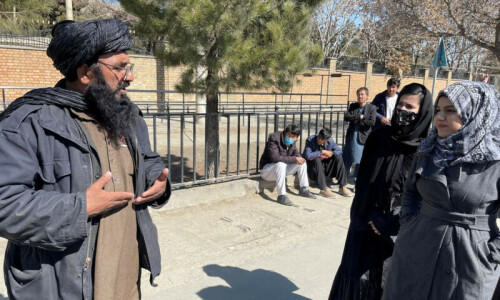
Sher Mohammad Abbas Stanekzai, who previously led a team of negotiators at the Taliban’s political office in Doha before US forces withdrew from Afghanistan in 2021, said in a speech at the weekend that restrictions on girls and women’s education was not in line with Islamic Sharia law.
“We request the leaders of the Islamic Emirate to open the doors of education,” he said, according to local broadcaster Tolo, referring to the Taliban’s name for its administration.
“In the time of the Prophet Muhammad (Peace Be Upon Him), the doors of knowledge were open to both men and women,” he said.
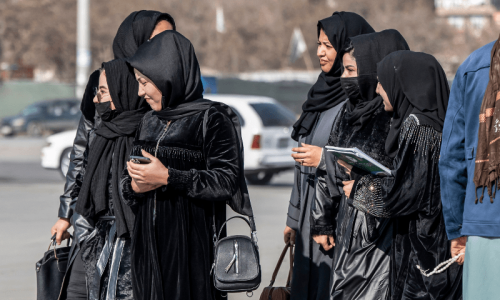
“Today, out of a population of forty million, we are committing injustice against twenty million people,” he added, referring to the female population of Afghanistan.
The comments were among the strongest public criticism in recent years by a Taliban official of the school closures, which Taliban sources and diplomats have previously told Reuters were put in place by the supreme spiritual leader Haibatullah Akhundzada despite some internal disagreement.
The Taliban have said they respect women’s rights in accordance with their interpretation of Islamic law and Afghan culture.
They made a sharp U-turn on promises to open high schools for girls in 2022, and have since said they were working on a plan for the schools to re-open but have not given any timeline. They closed universities to female students at the end of 2022.
The policies have been widely criticised internationally, including by Islamic scholars, and Western diplomats have said any path towards formal recognition of the Taliban is blocked until there is a change on their policies towards women.
A Taliban administration spokesman in the southern city of Kandahar where Haibatullah is based did not immediately respond to a request for comment on Stanekzai’s remarks.