0
0
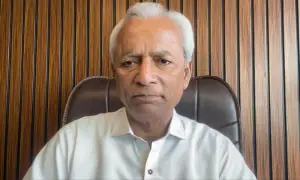
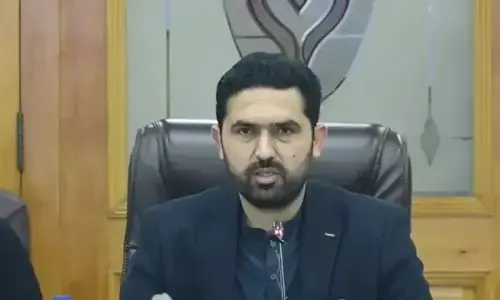
ISLAMABAD: Special Assistant to Prime Minister on Climate Change Mailk Amin Aslam on Sunday said all brick kilns in Punjab, which accounted for a significant portion of choking air pollution, have been shifted on zigzag technology.
He described it as a move that will significantly help mitigate the province’s air pollution woes.
According to a press statement issued by the Ministry of Climate Change, 7, 896 traditional brick kilns, which ran on smog-causing fossil fuels, in the province had been converted in a period of six months to the environmentally-smart zig-zag technology that would help reduce breath-choking carbon emissions by 60pc and save energy by 30pc.
Mr Aslam, who pushed the province to switch to better environment friendly techniques, said: “It’s an important milestone the Punjab government has achieved in such a short period of time to fight spiking air pollution in the province.”
All other provinces, where air pollution has become a leading cause of premature deaths and various health diseases, should also follow suit to fight environmental degradation and protect public health, he added.
There are around 20,000 traditional brick kilns in the country, which use mainly coal, rubber and shoe soles as fuel, emitting lethal back carbon emissions into the atmosphere. Most are located around urban areas and contribute significantly to air pollution. The country’s brick sector is highly unregulated and uncoordinated but is responsible for around 1.5 percent of the gross domestic product.
Mr Aslam said the traditional brick production consists of handmade bricks, which were baked in fixed chimney bull’s trench kilns, a widely used brick firing technology in South Asia. It is ranked as the most contaminating technique for brick production, resulting in a myriad of adverse social and environmental effects including air pollution, climate change, cardio-respiratory diseases, land use impacts and deforestation.
The traditional kiln type and fuels burned made it difficult to accurately identify the make-up of air pollutants emitted by the sector.
They likely include sulfur oxides, nitrogen dioxide, carbon monoxide, carbon dioxide (CO2), forms of particulate matter, including black carbon, and additional compounds released by burning coal and other fuels.
The PM’s aide said black carbon (a major component of soot from the brick klins) was produced as a result of the incomplete combustion of fossil fuel and biomass. Besides, it is known for planet-warming impact on climate 460 to 1,500 times stronger than CO2.
When accumulated on ice and snow, the black carbon was so adverse that it spiked both atmospheric warming and increased the melting rate, and hence was a threat to glaciers in the country’s north, he elaborated.
However, melting glaciers reduced dry-season water availability and exacerbate the risk of glacial lake outburst floods while increased climate variability and changes in rainfall and monsoon patterns could threaten regional water and food security as well as change the occurrence of landslides and floods, Mr Aslam remarked.
He said given the backdrop, efforts were taken for introducing the zigzag technology to mitigate the issues of not only black carbons that caused black smog issues but also overall air pollution in the country under Prime Minister Imran Khan’s vision for clean green Pakistan.
“The incumbent government embraced zigzag technology-led brick kilns because it helps fight air pollution, save both public lives and the environment. Also, that these new kilns running on zigzag technology offer hope as they are environment friendly and make a strong business case, “ he added.
Published in Dawn, May 3rd, 2021