Ban on import of Indian medicines lifted


 145
145

ISLAMABAD: In order to avoid a severe crisis vis-à-vis availability of life-saving drugs in the local market, the government has lifted the ban on import of medicines and raw material from India.
Statutory regulatory orders (SROs) issued by the Ministry of Commerce and Textile state that the ban on trade with India would remain effective; however, it would not apply to therapeutic products regulated by the Drug Regulatory Authority of Pakistan (Drap).
“The exemption is given in the best interest of the public and in order to maintain supply of medicines to patients,” Special Assistant to the Prime Minister on Health Dr Zafar Mirza said while talking to Dawn.
The two SROs, signed by Director General (Trade Policy) Mohammad Ashraf and available with Dawn, will be published in the Gazette of Pakistan.
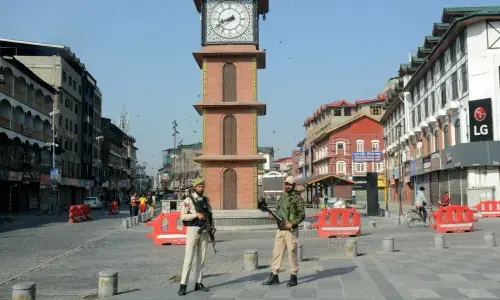
It is worth mentioning that after New Delhi’s decision to annex occupied Kashmir on Aug 5, the Pakistan government had on Aug 9 decided to suspend all kinds of trade with India. Initially, the pharmaceutical industry had appealed to the government to relax rules and allow Indian goods imported before the decision. The government relaxed the rules and the goods already arrived in Pakistani airports/seaports had been cleared.
However, since a large quantity medicines and raw material are imported from India, the industry started demanding that the ban be lifted on them as well. Otherwise, it feared, the country could face the severe crisis of medicines, especially life-saving drugs, in a few weeks.
A Drap official, requesting anonymity, said a meeting had been held last week to discuss the issue. “All stakeholders participated in the meeting and informed it that in a few weeks it would be almost impossible to ensure availability of medicines because the pharmaceutical industry depends on Indian medicines and raw material,” he added.
The official said the meeting was also informed that Indian medicines were available at affordable rates and prices of medicines would increase if the government did not go for an alternative arrangement.
“We compiled all their suggestions and sent them to the Ministry of National Health Services, asking the decision-makers to lift the ban or face criticism from the masses as prices of medicines will increase. The third option for the government was to subsidise the medicines, but it appeared to be difficult given the financial condition of the country,” he said.
On Aug 17, the Employers’ Federation of Pakistan (EFP) had suggested that APIs (active pharmaceutical ingredients) imported from India to manufacture life-saving products by the local industry should be allowed on the condition that pharmaceutical companies would develop alternative sources of APIs within a period agreed upon with Drap.
The EFP feared that immediate suspension of trade with India without any guideline would affect the pharmaceutical manufacturers and result in shortages of medicines in Pakistan.
Another Drap official, requesting anonymity, said that a number of medicines or their APIs were imported from India and in case of continued ban there would be severe crisis of medicines in the local market. Moreover, the official said, the government’s decision would result in increase in smuggling of medicines and APIs and revenue losses in terms of import duties to the national exchequer.
Published in Dawn, September 4th, 2019