LPG price mechanism to be reviewed


 1
1
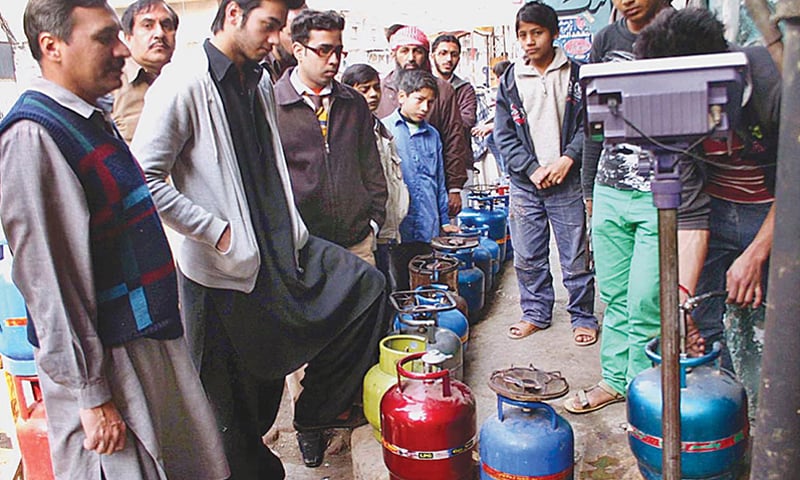
ISLAMABAD: The Petroleum Division on Thursday agreed to change pricing mechanism for liquefied petroleum gas (LPG) to provide a level playing field to importers and local suppliers, ultimately benefitting consumers.
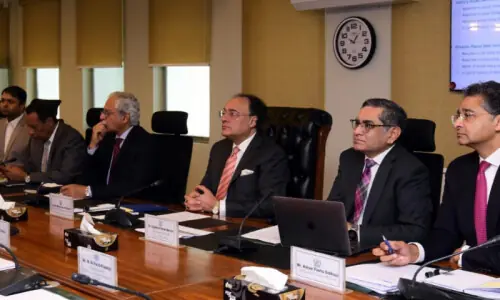
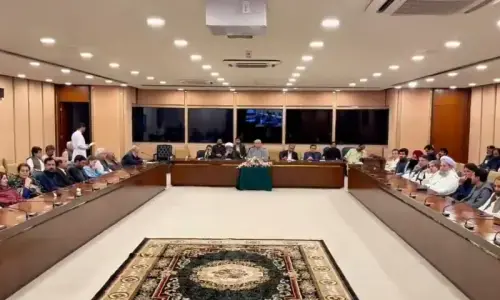
An understanding to this effect was reached at a meeting, led by an additional secretary of the Petroleum Division, attended by representatives of the Oil and Gas Regulatory Authority (Ogra), and LPG producers and distributors.
Informed sources said Ogra and LPG distributors supported a proposal seeking an end to the practice of signature bonus being charged by local LPG producers or reducing it significantly.
However, the producers opposed such a move.
The LPG distributors said that local producers — refineries and oil and gas producers — were charging signature bonus on local product which had an impact of about Rs7,500 per tonne over and above the contract price (CP) of Saudi Aramco and resulting in high cost to consumers.
They said the signature bonus was charged in the name of transparent bidding but this in fact resulted in the unethical practice of monopolisation of big parties who then set the prices of their own choice. Because of this practice, LPG price was higher in Pakistan than most of the neighbouring countries including India.
It was proposed that instead of bidding, all marketing companies holding Ogra licence with storage and related infrastructure and cylinder base should be given a fair quota of at least five tonnes each on monthly basis to encourage healthy competition and avoid cartelisation and monopoly of a few big companies.
Ogra agreed to set up a quality laboratory at Taftan border for testing LPG coming from Iran, Iraq and Central Asian countries that was reportedly substandard quality. The regulator is already in the process of finalising arrangements for such a testing facility.
It was also agreed in principle by all stakeholders to put in place a mechanism on the pattern of monthly oil product review meeting to evaluate LPG consumption and work out demand for next month. This review meeting could be held on a quarterly basis and result save unnecessary outflow of foreign exchange.
All the participants agreed that either petroleum development level on local product should be removed that stood at Rs4,569 per tonne or an equivalent regulatory duty should be imposed on imports to provide a level playing field. There was also a demand for an equal general sales tax for local and imported product.
The Ministry of Petroleum and Natural Resources promised to work out a mechanism to create a level playing field in consultation with the Federal Board of Revenue, Ministry of Finance and Ogra and take up a summary to the upcoming meeting of the Economic Coordination Committee of the Cabinet.
Published in Dawn, November 30th, 2018