51
51
For years, Pakistan has denied that the Afghan Taliban enjoys a safe haven on its soil or that Islamabad could do anything to end their violent campaign in Afghanistan that has seen tens of thousands of Afghan civilians and international troops killed since 2002.
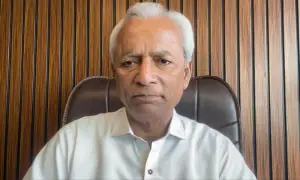
But in an unusually candid admission, Sartaj Aziz, Adviser to the Prime Minister on Foreign Affairs, says that Islamabad has considerable influence over the Taliban because its leaders live in the country.
"We have some influence over them because their leadership is in Pakistan and they get some medical facilities. Their families are here," he said. "We can use those levers to pressurise them to say, 'Come to the table'. But we can't negotiate on behalf of the Afghan government because we cannot offer them what the Afghan government can offer them."
Aziz made the comments at Washington's Council on Foreign Relations think tank on March 1. He added that Islamabad pressured Afghan Taliban leaders to participate in the first-ever direct talks with the Afghan government on July 7, 2015.
"We have to use these levers and [have] restricted their movements, restricted their access to hospitals and other facilities, and threatened them that 'If you don't come forward and talk, we will at least expel you'," he said of the tough message Islamabad sent to Taliban leaders, most of whom are believed to be operating out of Quetta, the capital of southwestern Balochistan Province.
"[We told the Taliban leaders that] we have hosted [them] enough for 35 years, and we can't do it anymore because the whole world is blaming us just by [their] presence here," he said.
Pakistan, Afghanistan, the United States, and China last week agreed on a road map to end the Afghan war through negotiations between Kabul and the Taliban.
Taliban representatives are expected to join Afghan officials in the first round of peace talks in Pakistan during the next few weeks.
Aziz, however, took pains to convince Washington's audience that Islamabad has abandoned its support for the Islamist militant groups.
"After our government came into power in 2013, there has been a significant change in our policy. We are now moving against all terrorists without discrimination," he said.
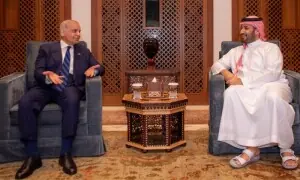
Speaking alongside US State Secretary John Kerry on February 29, Aziz said Pakistan now has little interest in fomenting violence in neighboring Afghanistan.
"Who would like to set one's own neighbor on fire with the hope of saving one's backyard?" he asked.
This article was originally published on gandhara.rferl.org and has been reproduced with permission.