68
68

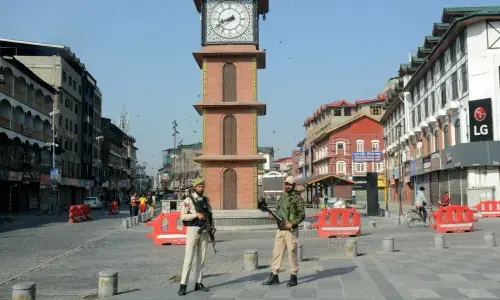
NEW DELHI: Indian authorities imposed a curfew and issued shoot-on-sight orders in a northern state neighbouring New Delhi Saturday, after spreading caste protests left at least one person dead and troops were deployed, officials said.
Television images showed mobs wielding sticks rampaging through the streets in northern Haryana state, setting fire to a local government minister's house and railway stations, damaging train tracks and blocking two key highways.
The day before police had opened fire on protesters, killing at least one, as the week-long protest by the state's dominant Jat caste, who are demanding quotas for government jobs and education, took a violent turn.

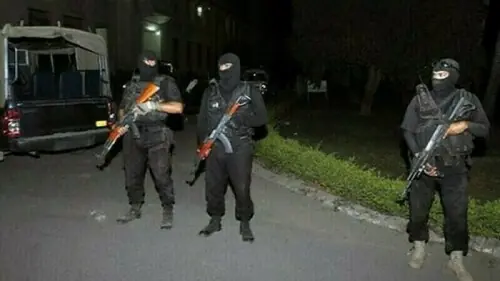
With protests spreading across the state, more than 5,000 army and paramilitary troopers patrolled the streets to impose a round-the-clock curfew in eight districts.
The army was forced to use helicopters to reach Rohtak district, the epicentre of the violent protests, after protesters blocked two highways connecting four northern states with the capital.
“One person is confirmed dead and five are critical. Eighty-eight others are injured,” Yash Pal Singal, Haryana police chief told reporters. Local news reports said three people had died in the violence.
Protesters damaged railway tracks and started fires at stations leading 600 trains to be cancelled since Friday, a spokesman for Indian Railways said.
“Three rail stations were burnt down and several kilometres of track have been damaged,” Neeraj Sharma told AFP, adding that services would remain suspended until the situation is brought under control.
Jats, a comparatively affluent caste group, have been calling for quotas in government jobs similar to those allocated to lower castes, but other groups oppose their call.
Indian home minister Rajnath Singh Friday held meetings with security officials before dispatching additional troops to the state and appealed to protesters for peace.
But Jat leaders threatened to continue their protests after talks with Haryana's right-wing Bharatiya Janata Party (BJP) state government remained inconclusive.
“The protest will only end when government accepts our demands. We won't get carried away by false assurances now,” Yashapal Malik, the president of a national Jat organisation that is leading the protest, told AFP.
The protests echo caste violence that swept the western state of Gujarat in August last year, leaving several dead.
That state saw weeks of protests by the privileged Patidar or Patel caste, who demanded special treatment to put them on an equal footing with lower castes.
India sets aside a proportion of jobs and places to people from so-called lower and backward castes under measures intended to bring victims of the worst discrimination into the mainstream.
But the policy of “reservation” causes resentment among other communities who say it freezes them out.