2
2

DUBAI: Saudi authorities rounded up thousands of illegal foreign workers at the start of a nationwide crackdown ultimately aimed at creating more jobs for locals, media reported on Tuesday.
Hundreds of thousands of workers have already left the kingdom following a grace period of seven months during which authorities told expatriates that if they did not fix their legal status they had to leave the country or face jail.
The government hopes that reducing the number of illegal workers will create opportunities for Saudi job-seekers. The official Saudi unemployment rate is 12 per cent but excludes a large number of citizens who say they are not seeking a job.
However, the majority of the kingdom’s nine million foreigners are unskilled labourers or domestic workers, jobs usually shunned by Saudis.
“Since early (Monday) morning, the security campaign got off to a vigorous start as inspectors swung into action,” Nawaf al-Bouq, a police spokesman, told Saudi Gazette newspaper.
Police carried out raids on businesses, markets and residential areas to catch expatriates whose visas are invalid because they are not working for the company that ‘sponsored’ their entry into the kingdom.
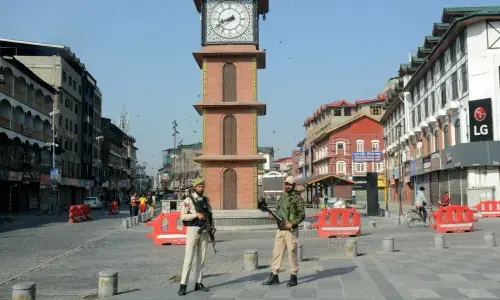
For a second day on Tuesday parts of the capital Riyadh were unusually empty as many expatriates stayed at home to avoid potential arrest.
Challenge
Raising private sector employment in a country where most Saudis are in government jobs and where businesses employ more foreigners than locals is a major challenge for the kingdom.
Bouq told the paper that at least 1,899 illegal workers had been arrested in the Red Sea port city of Jeddah.
The paper also said police had arrested at least 2,200 people in the southwestern city of Samta, 379 in the Eastern Province and hundreds of others in other cities.
In Jeddah, dozens of Indonesian workers, mostly women, staged a sit-in to pressure the authorities to hasten their deportation, according to Arab News newspaper.
Many workers cannot leave the country because they lack official papers, including passports, the paper said.
The remittances sent home by expatriates in Saudi Arabia are often vital for their own nations, which include Yemen, Ethiopia, the Philippines, Indonesia, India, Pakistan and Egypt.
Saudi Arabia’s mass expulsion of Yemeni workers in 1990 in retaliation for Sanaa’s support of Iraq after it invaded Kuwait contributed to an economic collapse that accelerated the impoverished Arab country’s 1994 civil war.
For decades, Saudi authorities ignored irregularities such as working for firms that had not sponsored their visas or in trades other than those listed on their immigration documents.
That spurred a black market in which foreigners overstayed visas, set up illegal businesses or took low-paid jobs in areas where authorities wanted Saudi workers hired on higher salaries.
This thwarted implementation of wide-ranging labour reforms to penalise companies for hiring more foreigners than locals.