0
0

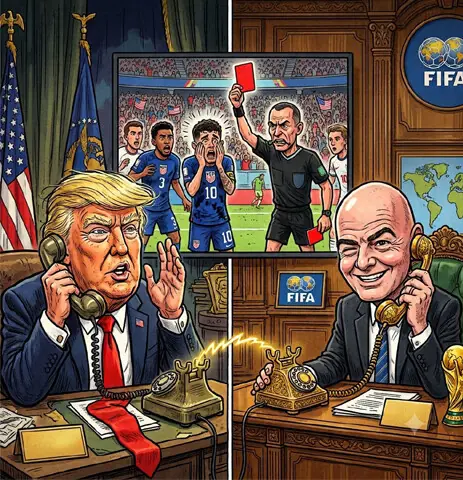
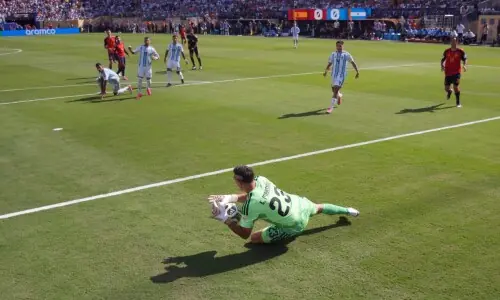
THIS is with reference to the report “FIFA under fire as US player ‘un-banned’ after Trump call” (July 7) regarding the pressure that was faced, at least momentarily, by the International Football Federation (FIFA) after United States President Donald Trump intervened to have a red card penalty overturned against key striker Folarin Balogun ahead of a do-or-die match. Add to it the allegations levelled by Egypt against the referee in its game against Argentina, and it is clear that FIFA officials, both on and off the field, have done their best in the eye of many to spoil the event for one reason or the other.
In the 1980s — March 13, 1987, to be precise — Pakistan cricket team was able to clinch a crucial encounter at the Chinnaswamy Stadium in India despite seriously biased umpiring. The episode, among many others, was one of the reasons that had led to the introduction of neutral umpires in cricket to minimise the impact of ‘home advantage’. Questionable conduct of officials tend to wound the very soul of sport, breeding resentment among fans and eroding the trust that binds competitors and spectators alike.
The offence that was penalised on the field by referee Raphael Claus, triggered an automatic one-match suspension under established rules. Many had viewed the decision as harsh, but the laws of the game were clear. What followed has shaken the foundations of fair play. After Trump’s call, FIFA invoked Article 27 of its code and allowed Balogun to line up against Belgium.
The decision marked the first time since 1962 that a World Cup red card had not resulted in automatic absence from the subsequent fixture. In that earlier case, Brazil’s Garrincha had benefitted from that era’s less rigid procedures. In the current case, the intervention bore the unmistak-able imprint of political influence.
The decision rightly earned massive criticism from within the international football community, including coaches and officials both past and present. The critics observed with due justification that FIFA had violated its own regulations.
History whispers caution. From biased umpires in cricket to the controversial reprieve by FIFA, the lesson endures; once the impartiality of officials is compromised, whether by national loyalty or political pressure, the spirit of competition withers. Fans across continents watch not merely for spectacle, but for the assurance that merit, and not manipulation, decides the outcome.
The latest controversy hovered over the latter stages of the World Cup like a dark cloud. It served as a reminder that sport, at its noblest, must remain a sanctuary from the machinations of the political realm. Should governing bodies fail to defend that sanctuary, they risk alienating the very hearts that sustain the game. True victory belongs not to nations or presidents, but to the timeless ideals of fairness and honour.
Muhammad Mohsin Iqbal
Islamabad
Published in Dawn, July 19th, 2026