0
0

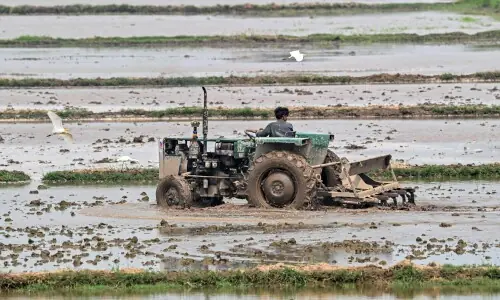
MUZAFFARGARH is a critical component of Pakistan’s agricultural economy, but its people remain deprived of a number of opportunities and services. The contrast between the district’s contribution and its development is striking. Despite having a population of millions, Muzaffargarh lacks adequate higher education oppor-tunities. Students seeking quality university education are often compelled to leave their hometowns. For many families, particularly those with daughters, relocation is financially or socially difficult, limiting educational opportunities for an entire generation.
Healthcare presents another challenge. Access to specialised medical facilities remains inadequate, particularly for women and children. Residents frequently travel to other cities for getting treatment that should be available locally.
The agriculture sector itself is under immense pressure. Farmers face rising costs of fertilisers, pesticides, seeds, electricity and fuel. Yet, crop prices fail to provide reasonable returns. The result is increasing financial strain on farming households. In recent years, the economics of farming have become increasingly difficult. Families that once managed their expenses through agricultural income alone are now forced to sell assets simply to maintain a respectable standard of living.
Equally concerning is the lack of effective advocacy for these issues. The people of Muzaffargarh need represen-tatives who may consistently raise the district’s concerns at legislative forums and push for meaningful investment. Muzaffargarh continues to give Pakistan its crops, its labour and its economic value. It is time for our policymakers to ensure that the district receives a fair share of the opportunities and development that it has long earned, but has never received.
Mahar Muhammad Hanzla
Muzaffargarh
Published in Dawn, July 18th, 2026