Short-term inflation surges over 13pc


 0
0

ISLAMABAD: Short-term inflation, measured by the Sensitive Price Index (SPI), surged by 13.08 per cent year-on-year for the week ending July 16 due to rising petroleum product prices, according to official data released on Friday.
Weekly inflation has resumed its upward trend driven by higher petroleum prices. With the government shifting to a daily pricing mechanism for petroleum products, the impact of changes in fuel prices is expected to be reflected more quickly in short-term inflation.
The SPI increased by 1.40pc compared to the previous week, according to the Pakistan Bureau of Statistics.
The overall SPI showed a broad-based rise, indicating continued pressure on the cost of living. The increase was largely driven by sharp year-on-year gains in key items, including electricity charges (49.14pc), gas charges (29.85pc), wheat flour (71.81pc), and liquefied petroleum gas (42.50pc).
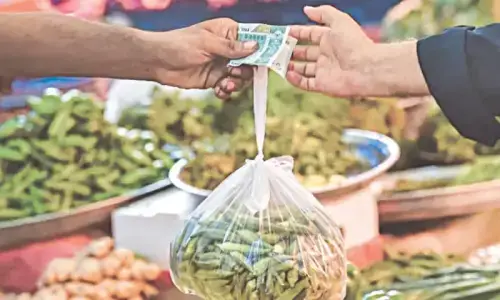
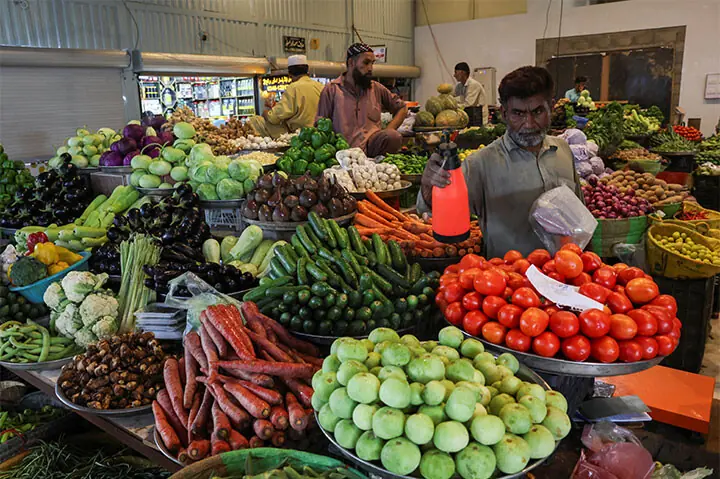
Food inflation remained elevated, with notable increases in the prices of onions, tomatoes, potatoes, mutton, beef and wheat flour.
Expensive petroleum, tomatoes, wheat flour fuel SPI rise
Despite this limited easing, energy-related costs continued to weigh on household budgets and push up transport expenses across the economy. The SPI has now recorded an increase for the 66th consecutive week. Although the pace of growth has slowed, it reflects sustained pressure on consumers.
This is cost-push inflation. As a result, the average household is under pressure due to higher consumer prices.
The items, whose prices increased the most over the previous week included tomatoes (22.79pc), chicken (14.66pc), LPG (12.46pc), diesel (4.41pc), petrol (4.40pc), garlic (3.72pc), eggs (2.15pc), tea Lipton (1.56pc), onions (1.53pc), potatoes (0.85pc), tea prepared (0.42pc) and firewood (0.18pc).
The items whose prices declined week-on-week included bananas (0.80pc), moong pulse (0.70pc), sugar (0.36pc), and masoor pulse (0.10pc).
However, on an annual basis, the items whose prices increased the most were tomatoes (210.18pc), onions (75.93pc), wheat flour (71.81pc), electricity charges for Q1 (49.14pc), LPG (42.50pc), gas charges for Q1 (29.85pc), gents sponge chappal (16.69pc), mutton (16.02pc), chilli powder (15.20pc), beef (13.60pc), bananas (10.82pc) and bread plain (9.69pc).
In contrast, the prices of potatoes dropped 36.28pc, followed by pulse gram (21.71pc), sugar (21.10pc), chicken (16.71pc), salt powder (14.09pc), masoor pulse (13.19pc), eggs (12.42pc) and moong pulse (8.08pc).
Published in Dawn, July 18th, 2026