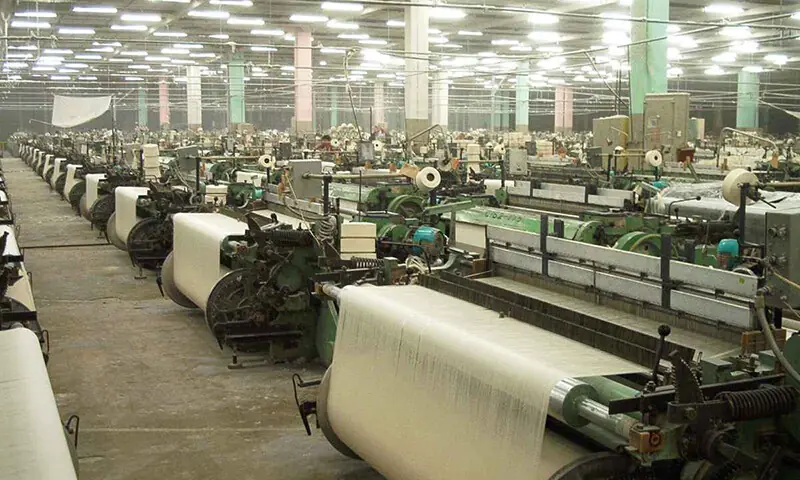


ISLAMABAD: Leading textile and clothing exporters have warned the government that the current tax and regulatory framework disadvantages the export-oriented sector, emphasising that textile exporters are required to pay tax on every transaction, whereas domestic businesses settle their tax liabilities quarterly.
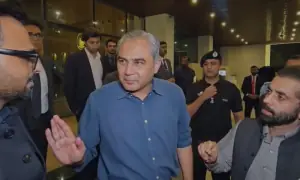
The issue, among others, arose during a meeting with Finance Minister Muhammad Aurangzeb at a time when exporters are struggling to compete with regional countries in international markets, while domestic policies have also contributed to a rise in the cost of doing business.
Exporters informed the finance minister that the current taxation and regulatory framework puts them at a disadvantage compared to domestic businesses. Textile exporters are required to pay two per cent advance tax on each transaction, whereas domestic businesses pay taxes quarterly based on their deemed liability.
Additionally, a significant portion of exporters’ capital remains locked in the refund regime, creating liquidity constraints.
The exporters said the sector remains highly compliant and continues to bear high costs of doing business despite structural constraints.
They urged the government to simplify the tax regime, ensure equitable treatment between export-oriented and domestic businesses, and introduce measures to release blocked refunds so that exporters can fully utilise the sector’s growth potential.
The finance minister was informed that value-added textile exports are projected to reach about $15.6bn in fiscal year 2025-26. The value-added sector is expected to account for roughly 80 to 85pc of total textile exports and around 51pc of the country’s overall exports.
The finance minister acknowledged the concerns raised by the exporters and assured participants that the government would consider reforms within the available fiscal space. Both sides agreed to continue consultations after the Eid holidays to advance discussions on the proposed policy measures.
An official announcement emphasised that strengthening export-led sectors remains central to Pakistan’s economic revival strategy. The minister noted that enhancing productivity, encouraging innovation, and improving the global competitiveness of Pakistan’s key industries are critical to expanding exports, creating employment opportunities, and sustaining long-term economic growth.
He reaffirmed the government’s commitment to maintaining close engagement with industry stakeholders to ensure that economic policies remain responsive to the needs of the business community while supporting sustainable and inclusive growth.
Mr Aurangzeb observed that policy frameworks are being continuously refined to promote investment, facilitate reinvestment by established exporters, and remove procedural bottlenecks that hinder industrial expansion, while maintaining fiscal discipline and macroeconomic stability.
Published in Dawn, March 12th, 2026