2
2

THE UN Security Council Monitoring Team’s regular reports point to the threats terrorist groups continue to pose across the world. These reports have long painted a grim picture of the situation in Afghanistan vis-à-vis the permissive environment in that country for violent outfits.
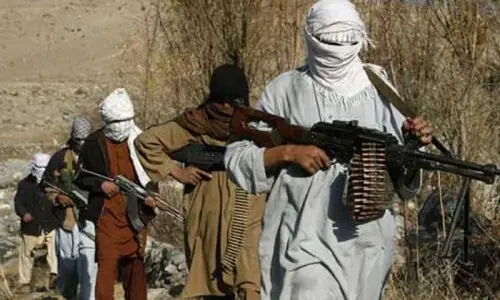
The latest document suggests that the banned TTP may potentially pose an extra-regional threat. Pakistan has been suffering from the brutality of TTP violence for nearly two decades. But if the warning is not heeded, the terrorist group may spread its tentacles to other states. The UN report also warns about the presence of IS-K terrorists at locations along the Pak-Afghan border.
The latest document presents an unflattering yet unsurprising picture of the terrorist milieu in Afghanistan. For example, it says that the TTP is “one of the largest terrorist groups in Afghanistan”, while it is accorded “greater liberty and support from the de facto authorities” (the Afghan Taliban).
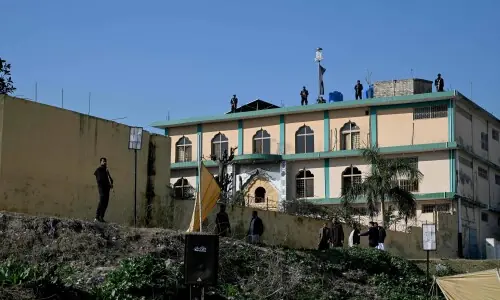
The report also expresses apprehensions that the TTP may expand cooperation with Al Qaeda, which, too, enjoys cordial ties with the Kabul regime. And while IS-K is under “sustained counterterrorism pressure”, the violent outfit retains “significant operational and combat capability”. One bloodstained example of these capabilities was witnessed in the shape of the Feb 6 imambargah bombing in Islamabad. Notably, the UNSC report says that while the Afghan Taliban authorities say no terrorist groups are active in their country, “no Member State supported this view”.
As the report illustrates, there is a need for immediate action where the terrorist threat emanating from Afghanistan is concerned. Pakistan has borne the brunt of the TTP’s barbaric campaign, losing thousands of valuable lives to the group’s terrorist attacks.
If the TTP is not stopped in its tracks immediately, other countries in the region may be next on the terrorist group’s hit list. That is why, as this paper has consistently argued, there is a need to address the problem of Afghanistan-based militancy collectively, with all of Kabul’s neighbours sending the same message to the Taliban: they must take action against violent groups on Afghan soil. Many would have thought that the Taliban would have learnt a lesson from hosting Al Qaeda during their first stint in power, thereafter paving the way for the US invasion following 9/11.
But this is clearly not the case as Kabul’s rulers continue to host bloodthirsty militants, even as they fight IS-K — purely for ideological reasons since IS-K does not recognise the Taliban’s legitimacy. Afghanistan’s neighbours must be unambiguous in stating that if Kabul wants regional recognition, trade and integration, it must rein in terrorist groups. Further, Pakistan must stay alert and prevent the infiltration of IS-K terrorists and neutralise their cells and collaborators in the country.
Published in Dawn, February 12th, 2026