0
0

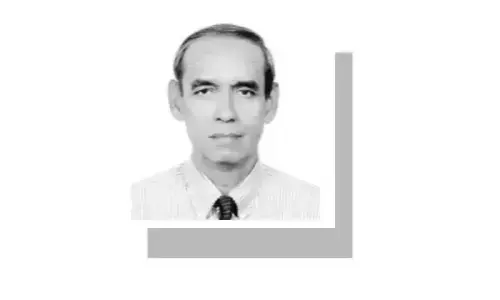
PESHAWAR: Senior visual artist Ali Sajid has said painting played a pivotal role in shaping the region’s identity, preserving its history, and fostering community cohesion.
He added far from being a mere aesthetic pursuit, painting served as a vibrant medium for cultural documentation, economic vitality, and social unity, laying a foundation that would later prove crucial in post-flood recovery. Ali Sajid is currently president of National Artists Association of Pakistan (NAAP) KP chapter.
He while sharing his views on return from a solo painting trip to Azad Kashmir valley said painting in northern Pakistan had deep historical roots, reflecting the region’s diverse influences from ancient Buddhist art to Islamic calligraphy and vibrant Pakhtun and Balti traditions.
Beyond documentation, painting fostered community pride and social bonds. In the pre-flood times, communal art projects, such as decorating village schools or religious sites, brought people together, reinforcing cultural identity, Mr Sajid observed.
Ali Sajid says paintings crucial in shaping region’s identity
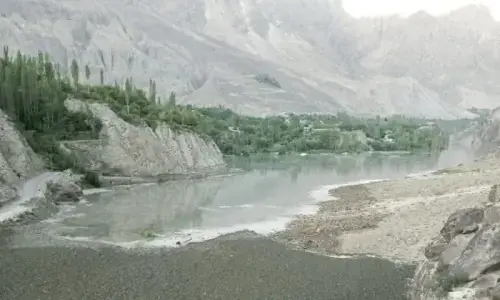
“I embarked on my solo trip to paint Gurez valley in Kashmir and made videos, photos and paintings of Jamgar village, Gurez valley in Azad Kashmir but to my wonder, the cloudbursts in the said areas eroded the charming landscape altogether. I have captured the scenic spots on canvas, camera and videos, which will serve as source of history,” the artist stated.
These works were not just decorative but served as historical records, capturing the essence of pre-flood life -- lush green valleys, bustling bazaars, and serene rivers -- before climate-driven disasters altered the landscape he said, adding the artworks strengthened social cohesion, creating a resilient community spirit that would later aid recovery efforts. Moreover, painting supported local economies, particularly through tourism.
The element of climate change added ‘fear’ to our project to paint north as every year the monsoon season brought devastation to the region, further defacing the enchanting beauty of the northern areas, he stated. Mr Sajid said painting also served as an educational tool, raising awareness about environmental stewardship before the floods intensified.
“Artists often depicted harmonious relationships with nature, subtly advocating for sustainable practices in a region vulnerable to glacial melts and monsoons. These pre-flood efforts laid a cultural groundwork, enabling art to become a beacon of hope and a tool for rebuilding identity and resilience after disasters struck.
The senior artist maintained painting in pre-flood northern areas was a dynamic force for preserving history, uniting communities, and sustaining economies as its significance as a cultural anchor ensured that when floods hit, the region’s artistic heritage provided both inspiration and a framework for recovery, proving art’s enduring power in times of catastrophe .
Published in Dawn, September 9th, 2025