Pakistan takes stand for ‘equitable access’ to green finance for developing nations


 0
0


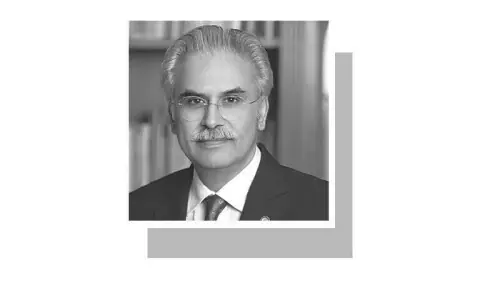
Climate Change and Environmental Coordination Minister Dr Musadik Malik called for equitable access to green financing and other resources for developing nations at a meeting in Geneva on Friday, state-run Associated Press of Pakistan reported.
He chaired the meeting on the sidelines of the fifth session of the plastic pollution treaty negotiations taking place in Geneva. Billed as the most important environmental deal since the 2015 Paris climate accord, the 10-day summit brought delegates from 185 countries to finalise a global treaty to control plastic pollution.
“Pakistan led a regional dialogue with Bangladesh, Egypt, Tajikistan, Malaysia, and Sudan for an interactive briefing,” according to a statement posted by Malik’s team on X.
“Minister Musadik called for a fair Global Plastics Treaty and equitable green financing, so support reaches nations most impacted by pollution and climate challenges,” the statement added.
At the meeting, the climate minister noted, “those responsible for the highest levels of plastic consumption are often the largest beneficiaries of green financing.” However, he added that the world’s poorest nations are often left to fend for themselves in the fight against climate change.
“Developing nations carry the heaviest burden of their environmental and socio-economic impacts,” APP quoted him as saying.
In a bid to rally the region towards fair and equitable green financing at the global plastics talks, the minister called for the treaty to take into consideration and prioritise “countries most affected by climate change and plastic pollution”.
Malik was of the opinion that “without fair access to resources and technology, developing nations cannot meet the environmental goals set by the global community”.
“By pushing for a united regional stance, Pakistan aims to strengthen the negotiating position of developing countries and ensure that the treaty addresses both environmental and economic fairness,” APP reported.
On Wednesday, Dr Musadik Malik had floated the idea of setting up a ‘global plastic fund’ for a marketplace to buy and sell plastic credits, receiving quite a few nods and thumbs up from delegates at the talks.
“Once we have enough countries agreeing to this, the [UN Environment Programme] secretariat will be forced to put it on the agenda,” said the climate minister.
World plastic pollution treaty talks collapse with no deal
Talks aimed at striking a landmark global treaty on plastic pollution fell apart on Friday without agreement, as countries failed to find consensus on how the world should tackle the ever-growing scourge, AFP reported.
Negotiators from 185 nations worked beyond Thursday’s deadline and through the night in an ultimately futile search for common ground between nations wanting bold action, such as curbing plastic production, and oil-producing states preferring to focus more narrowly on waste management.
The talks in Geneva — called after the collapse of the fifth and supposedly final round of talks in South Korea late last year — opened on August 5.
Several countries voiced bitter disappointment as the talks unravelled, but said they were prepared for future negotiations — despite six rounds of talks over three years now having failed to find agreement.
“We have missed a historic opportunity, but we have to keep going and act urgently. The planet and present and future generations need this treaty,” said Cuba.
A cluster of mostly oil-producing states calling themselves the Like-Minded Group — including Saudi Arabia, Kuwait, Russia, Iran, and Malaysia — want the treaty to have a much narrower remit.
“Our views were not reflected… without an agreed scope, this process cannot remain on the right track and risks sliding down a slippery slope,” said Kuwait.
Bahrain said it wanted a treaty that “does not penalise developing countries for exploiting their own resources”.