ISLAMABAD: The government formally announced the creation of the Pakistan Virtual Assets Regulatory Authority (PVARA) on Monday to operate as an independent regulator for licencing, monitoring and supervising virtual asset service providers (Vasp), ensuring alignment with the Financial Action Task Force (FATF) guidelines and international best practices.
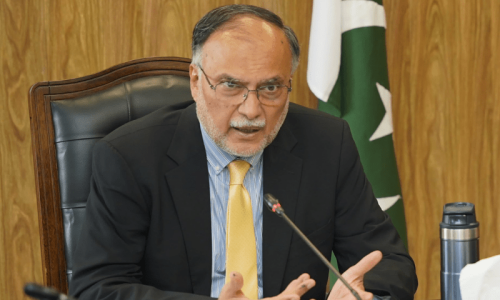
“The federal cabinet has formally approved the summary for the creation of the PVARA, a landmark step towards establishing a comprehensive legal and institutional framework for overseeing the country’s rapidly growing digital assets ecosystem”, said a statement issued by the Ministry of Finance.
“The cabinet’s approval is a critical inflexion point in this journey. Once legislated, the authority will be responsible for issuing licences, supervising VASPs, setting technical standards, and coordinating compliance with FATF, IMF, and World Bank guidelines,” the statement said, adding that it will also oversee public protection mechanisms, anti-money laundering protocols, and cyber risk mitigation across all virtual asset transactions within the country.
This coordinated approach, combining sovereign asset reserves, surplus energy deployment and robust regulation, reflects Pakistan’s ambition to become a digital assets hub in South Asia. By building trust, attracting foreign investment, and fostering innovation in the blockchain sector, Pakistan is setting the foundations for a secure, inclusive, and future-proof digital economy, the statement added.
New authority to licence and monitor crypto platforms under FATF guidelines
This milestone comes less than four months after the launch of the Pakistan Crypto Council (PCC) on March 14, which marked the beginning of a new era in Pakistan’s digital finance journey, the statement said, adding that since then the PCC has led a nationwide push to regulate and enable blockchain technology, digital currencies, and tokenized assets in a responsible and innovation-friendly manner.
The PCC also welcomed international blockchain leaders and experts, including former Binance CEO Changpeng Zhao, as strategic advisors to help shape Pakistan’s regulatory outlook.
The council consists of key institutional stakeholders, including the of the Securities and Exchange Commission of Pakistan chairman, the State Bank governor, federal secretaries of Law and Information Technology divisions to ensure a whole-of-government approach to digital asset regulation.
This was followed by an announcement on May 28 — by Bilal Bin Saqib, the PCC chief executive at the Bitcoin 2025 Conference in Las Vegas — to form Pakistan’s first Strategic Bitcoin Reserve, a sovereign reserve intended to hold Bitcoin for long-term national benefit and macroeconomic resilience.
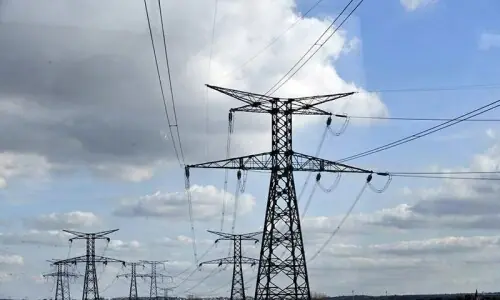
Further advancing this momentum, the government announced the allocation of 2,000 megawatts of surplus electricity for Bitcoin mining and artificial intelligence (AI) data centres, leveraging Pakistan’s untapped energy potential to power the future of digital finance and computation. Strategic partnerships are underway to ensure that energy-intensive blockchain infrastructure is both sustainable and revenue-generating, the MoF said.
Pakistan is emerging as one of the most promising frontier markets for digital assets, with over 40 million crypto users and an estimated annual trading volume of $300 billion, according to industry sources. Despite previous regulatory ambiguity, Pakistani youth have been early adopters of blockchain technologies, with over 70pc of the population under the age of 30.
Published in Dawn, July 8th, 2025