0
0

PAKISTAN’S jails are an embarrassment to any notion of justice and rehabilitation.
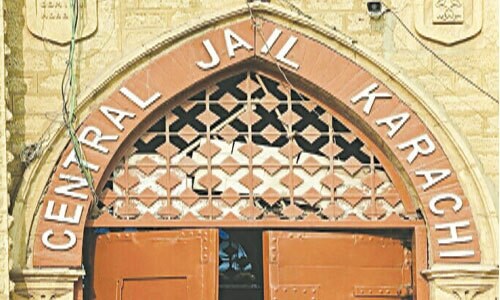
A report prepared by the National Commission for Human Rights, National Academy for Prisons Administration, and Justice Project Pakistan describes the appalling conditions prisoners have to endure: there are more than 102,000 of them crammed into spaces built for fewer than 66,000. In Punjab, prisons are at a staggering 173.6pc of their capacity, while Karachi Central Jail operates at an overwhelming 355pc overcapacity. Three-quarters of inmates remain under trial, caught in an endless legal limbo.
Despite some attempts at reform, Pakistan’s prison system has seen little meaningful change. Punjab has led infrastructural expansions, constructing 13 new jails since 2010, yet the province still houses 61,813 prisoners in facilities meant for 37,217. Meanwhile, Sindh, KP, and Balochistan lag behind, relying on outdated facilities and policies that fail to ease congestion.
The 2022 amendment to the Control of Narcotic Substances Act has exacerbated overcrowding by eliminating parole and probation options for drug offenders. Nearly 30pc of Punjab’s prisoners consists of individuals convicted of drug-related crimes, many serving disproportionately long sentences. Shockingly, while conviction rates for narcotics cases plummeted to just 2pc in Punjab in 2023, incarceration rates soared.
It is a broken system: poor sanitation, malnutrition, and a lack of healthcare create inhumane conditions, with prisoners often forced to sleep in shifts due to overcrowding. And it breeds a mental health crisis where individuals with psychosocial disabilities are detained indefinitely, subjected to abuse and medical neglect. The tragic case of Khizar Hayat, a mentally ill prisoner who died chained to a hospital bed, is just one among many.
Solutions are not unknown. Sindh and KP have updated their legal frameworks for prisons. However, Punjab and Balochistan have stalled on key reforms, with Punjab yet to implement its Draft Prison Rules, 2022, which could improve prisoner welfare significantly. Most prisoners do not need to be behind bars; community service and alternative sentencing must be introduced as viable options.
Moreover, the undertrial prisoner population can be thinned out with bail reforms and expedited court proceedings. An important element to consider is independent oversight. The NCHR should be empowered to conduct surprise inspections and establish an independent prisoner complaint mechanism. Vocational training and education must be integrated into prison management to provide meaningful rehabilitation. Diversion programmes are needed for minor offences and people with psychosocial disabilities should receive treatment rather than be jailed.
A civilised society does not lock people away and forget them. Our prison crisis demands more than committees and reports. The need of the hour is political will and implementation of the proposals that have accumulated over decades.
Published in Dawn, February 26th, 2025