0
0

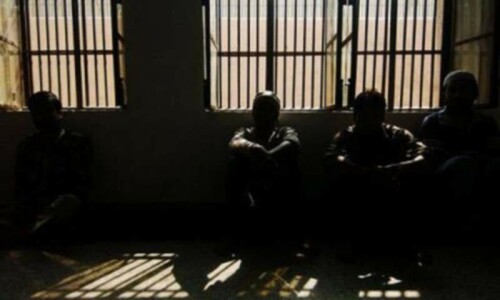
PAKISTAN’S prisons have become a masterclass in how not to run a correctional system. With facilities bursting at 152pc of their capacity and three-quarters of inmates merely awaiting their day in court, the country’s jails serve as monuments to bureaucratic paralysis rather than justice.
A recent report, Pakistan’s Prison Landscape, tells a compelling story: 102,026 prisoners crammed into spaces designed for 65,811. Karachi Central Prison, operating at an eye-watering 355pc of capacity, resembles a sardine tin more than a correctional facility.
Most troubling is that 74,918 of these inmates are still awaiting trial, caught in the quicksand of a sluggish judicial system that makes Dickens’ Jarndyce v Jarndyce look expeditious.
Pakistan’s lawmakers have only worsened matters. The 2022 amendment to the Control of Narcotics Substances Act, which axed parole and probation options for drug offenders, has achieved precisely what any first-year criminology student could have predicted: a surge in incarcerations.
In Punjab alone, drug-related imprisonments account for nearly 30pc of the prison population.
Behind the prison walls, conditions would make a mediaeval jailer blush. Inmates navigate an obstacle course of unhygienic conditions, dirty water, meagre food, and exploitative labour practices. Family visits and legal consultations are treated as luxury items rather than basic rights.
The solutions are not rocket science. Pakistan must first drag its pre-trial detention system into the 21st century. The practice of tossing people behind bars for minor offences does not make any sense.
A proper bail reform package, paired with readily available legal aid, could thin the crowds considerably. Alternative sentencing desperately needs a seat at the table. Community service programmes — absent from Pakistan’s penal menu — could offer a more sensible approach for minor offenders while giving overcrowded cells some breathing room.
The Pakistan Prison Rules of 1978 have aged about as well as telegram in the age of smartphones, and cry out for modernisation across all provinces.
With an incarceration rate of just 40 prisoners per 100,000 population — barely a third of the global median — Pakistan’s crisis becomes even more perplexing. This low rate, far from being a success story, masks a troubling reality: a justice system too overwhelmed to process cases effectively, with informal dispute resolution filling the vacuum. That such a modest caseload has still managed to overwhelm the prison system speaks volumes about its structural deficiencies.
The failure to address these issues suggests Pakistan’s commitment to justice is weak. An independent oversight mechanism through the National Commission for Human Rights, empowered to conduct surprise inspections and handle prisoner complaints, could shine some much-needed light on these dark corners.
While its prisoners have lost their freedom, a civilised society cannot justify stripping them of their fundamental dignity.
Published in Dawn, January 20th, 2025