India, China arrive on border patrolling pact to resolve conflict



India and China have arrived on a patrolling arrangement along their disputed frontier in the Himalayas and it can lead to disengagement and resolution of a conflict that began in 2020, Indian Foreign Secretary Vikram Misri said on Monday.
News of the pact comes on the eve of Indian Prime Minister Narendra Modi’s visit to Russia for the Brics summit where he could hold talks with Chinese President Xi Jinping on the sidelines.
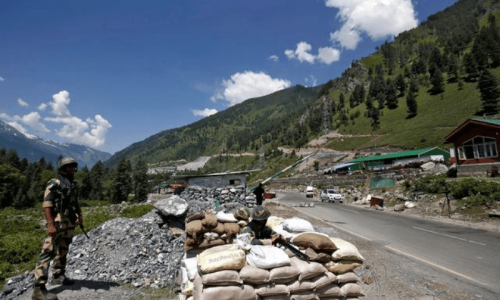
Ties between the nuclear-armed neighbours have been strained since clashes between their troops on the largely undemarcated frontier left 20 Indian and four Chinese soldiers dead in 2020.
Misri, the top diplomat in the foreign ministry, said diplomatic and military negotiators of the two countries had held several rounds of talks over the past few weeks.
These talks have resulted in an agreement on “patrolling arrangements along the Line of Actual Control in the India-China border areas leading to disengagement and a resolution of the issues that had risen in these areas in 2020”, he said.
Over the past four years, slow progress on diplomatic and military talks to end the standoff hurt business relations between the world’s two most populous nations with New Delhi tightening scrutiny of investments from Chinese firms and halting major projects.
Earlier this month, India’s army chief said New Delhi wants the status on the frontier in the western Himalayas to be restored to its pre-April 2020 position when the stand-off began and the situation will remain sensitive until then.
The two sides have resolved the “low-hanging fruits” and now need to address difficult situations, General Upendra Dwivedi said, adding that there was “positive signalling” from the diplomatic side and execution on the ground was dependent on military commanders of the two countries.
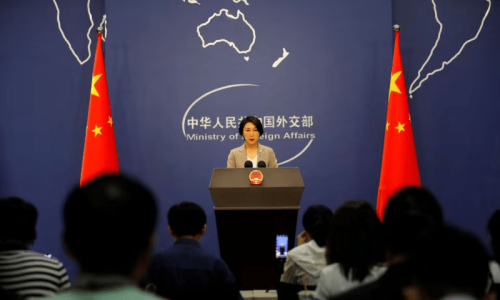
There was no immediate response from Beijing to Misri’s remarks.