0
0
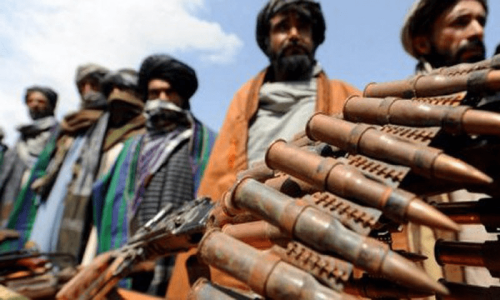
WHEN it comes to counterterrorism cooperation with the Afghan Taliban, we are moving in circles. While the authorities say that anti-Pakistan terrorists have havens in Afghanistan — particularly the banned TTP — Kabul’s de facto rulers insist this is not the case.
The Taliban position, however, is difficult to believe in the face of evidence that various militant groups are indeed active in Afghanistan. Once more, the state has raised the issue of cross-border militancy, with the interior minister and Nacta chief telling a presser on Sunday that the TTP, backed by “enemy intelligence agencies”, were responsible for the deadly March attack in Bisham in which five Chinese workers and one local were killed. The military had issued a similar statement a few weeks ago. Mohsin Naqvi called on the Afghan Taliban to prosecute the suspected terrorists, “or hand them to us”. The interior czar did not rule out unilateral action if Kabul failed to act.
Several attempts have been made to take up the TTP issue with the Afghan Taliban, but the results have not been positive. For example, the matter has been discussed using official channels, while delegations of ulema and tribal elders have been dispatched to Kabul to communicate Pakistan’s concerns. The state has also taken cross-border armed action after TTP terrorist attacks targeted Pakistani troops.
Yet, none of these measures has resulted in a cessation of terrorist violence. Therefore, different approaches are required. Unfortunately, there are few good options, and the authorities will have to work with the Afghan Taliban.
Expecting the Afghans to crush the TTP is an unrealistic expectation, as Kabul’s rulers are not likely to take armed action against their ideological comrades, particularly if the Kandahar-based Taliban leadership has anything to say about it. Pakistan should, instead, demand that TTP fighters be relocated far from the border, and insist that the Taliban should take full responsibility to ensure no terrorist group is able to stage cross-border attacks.
Moreover, the Central Asian states have aired similar concerns about Afghanistan-based terrorist groups. Pakistan should work with these states, as well as China, Russia, and Iran, to pressure the Taliban into taking effective CT moves. The Taliban are particularly keen to attract Chinese investment due to their global isolation. Islamabad should coordinate with Beijing to ensure that investments are made only if the Taliban take concrete CT steps.
While the Taliban should do more to prevent cross-border terrorism, Pakistan must also ensure that internally, no space is available to the militants and their sympathisers. In the recent presser, the Nacta head listed numerous Pakistani suspects who had played a key role in the Bisham attack. Unless these elements are neutralised, it will not be possible to have the upper hand over terrorist groups.
Published in Dawn, May 28th, 2024